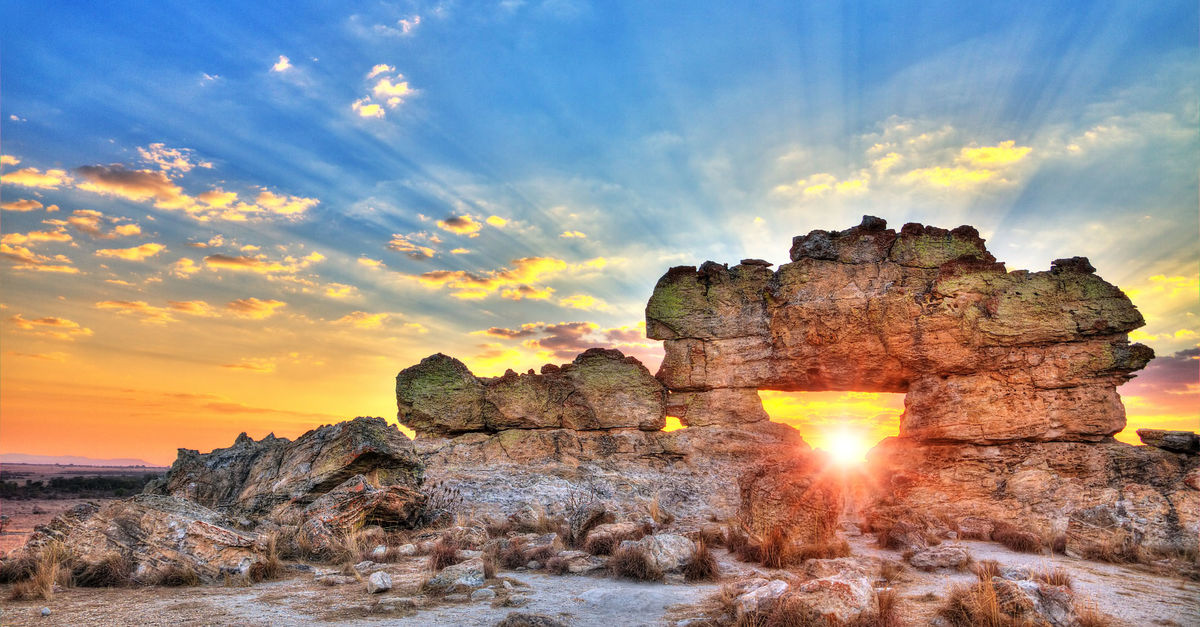
14 Days Classic Madagascar Safari | Wildlife & Southern Adventure
14 Days Classic Madagascar Safari | Wildlife and Southern Adventure Experience the incredible diversity of Madagascar on this 14 Days Classic Madagascar Safari. Travel through
Madagascar Safaris
A Madagascar safari begins with a sound. In the misty rainforest of Andasibe, just after dawn, a haunting, wailing chorus rises from the canopy and rolls across the valleys. It is the song of the indri, the largest living lemur, and it is unlike anything you will hear anywhere else on earth. That is the essence of Madagascar. Separated from Africa for around 88 million years, the island has developed a natural world all its own, where most of the mammals, reptiles and plants exist nowhere else. A Madagascar safari is a journey on foot through rainforests, spiny forests and limestone mazes, searching for dancing sifakas, tiny mouse lemurs, chameleons the size of a fingernail, leaf-tailed geckos that vanish against bark, and the elusive fossa. Between parks, you travel past rice terraces, avenues of ancient baobabs and red-earth villages, often finishing on a beach of white sand and turquoise water.
14 Days Classic Madagascar Safari | Wildlife and Southern Adventure Experience the incredible diversity of Madagascar on this 14 Days Classic Madagascar Safari. Travel through
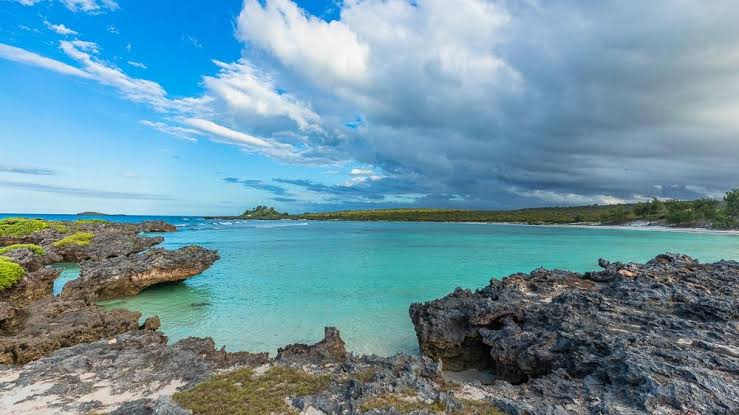
12 Days Northern Madagascar Safari | Wildlife and Beach Safari Experience the natural beauty of northern Madagascar on this 12 Days Northern Madagascar Safari. Explore
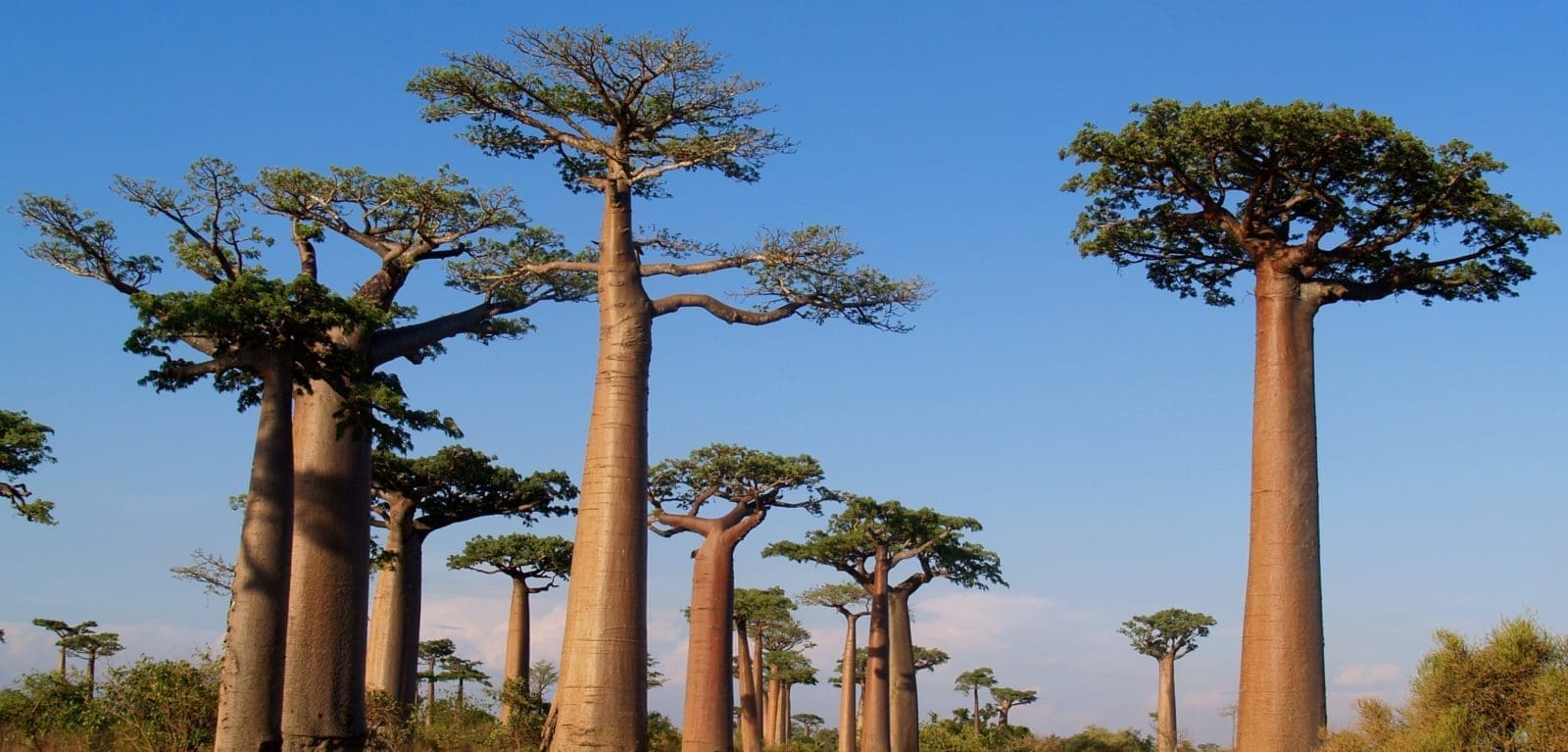
10 Days Madagascar Safari | Baobabs, Lemurs and Tsingy Adventure This 10 Days Madagascar Safari takes you through the unique wildlife and landscapes of western
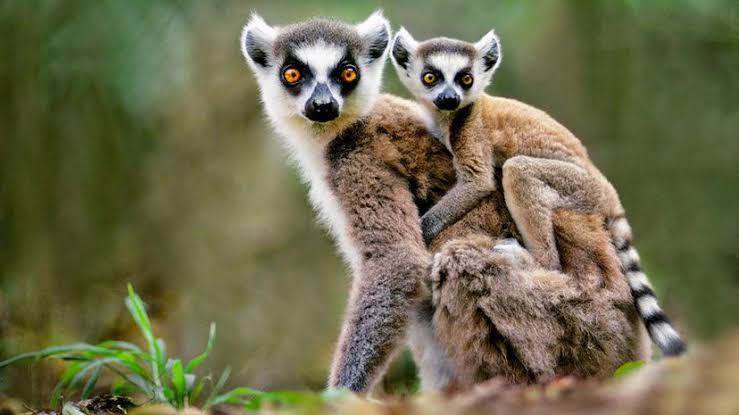
7 Days Madagascar Lemur Safari Explore one of Madagascar’s premier wildlife destinations on this 7 days Madagascar Lemur and Rainforest Safari. Discover the lush forests
Madagascar is often described as the “eighth continent” because so much of its wildlife is found nowhere else. All of its lemurs, the large majority of its reptiles and amphibians, and many of its birds and plants are endemic. Scientists continue to describe new species of lemurs, chameleons and frogs.
More than 100 species and subspecies of lemurs live in Madagascar, from the indri, which can weigh around 7 to 9 kilograms, to mouse lemurs small enough to sit in your palm. Highlights include:
Madagascar is home to around half of the world’s chameleon species, from the large Parson’s chameleon to the tiny Brookesia. Leaf-tailed geckos, colourful day geckos and snakes add to the reptile diversity.
The island’s landscapes are as unusual as its wildlife: the spiky limestone pinnacles of the Tsingy, the sandstone canyons of Isalo, the giant baobabs of the west, the spiny forests of the south and the tropical rainforests of the east.
| Destination | Region | Highlights | Best For |
| Andasibe-Mantadia NP | East | Indri, diademed sifaka, night walks | Lemurs, first-timers |
| Ranomafana NP | South-central | Golden bamboo lemur, rainforest, hot springs | Lemurs, frogs, birds |
| Isalo NP | South | Sandstone canyons, natural pools, ring-tailed lemurs | Hikers, landscapes |
| Anja Community Reserve | South | Ring-tailed lemurs on granite boulders | Easy lemur viewing |
| Tsingy de Bemaraha NP | West | Limestone pinnacles, rope bridges | Adventure, geology |
| Kirindy Forest | West | Fossa, Verreaux’s sifaka, giant jumping rat | Wildlife enthusiasts |
| Avenue of the Baobabs | West | Iconic baobabs at sunset | Photographers |
| Masoala NP and Nosy Mangabe | Northeast | Rainforest, red ruffed lemur, aye-aye | Adventurous travellers |
| Marojejy NP | Northeast | Silky sifaka, mountain rainforest | Serious hikers |
| Ankarafantsika NP | Northwest | Coquerel’s sifaka, birding | Birders |
| Montagne d’Ambre and Ankarana | North | Rainforest, tsingy, crowned lemur | Northern itineraries |
| Nosy Be and islands | Northwest | Beaches, snorkelling, whale sharks | Beach extensions |
| Île Sainte-Marie | East | Humpback whales, beaches | Whale watching |
Most Madagascar safaris follow one of several routes, as distances are long and travel is slow.
The RN7 runs from Antananarivo south to Toliara, passing through the highlands, Ranomafana, the Anja Community Reserve and Isalo, before reaching the southwest coast. It is the most popular route for first-time visitors, combining lemurs, rainforest, canyons and beaches.
A short drive from Antananarivo, Andasibe-Mantadia National Park is often included at the start or end of a trip. Beyond it, the Pangalanes Canal and Île Sainte-Marie offer coastal experiences.
The west includes Morondava, the Avenue of the Baobabs, Kirindy Forest and Tsingy de Bemaraha. Roads are rough, and the Tsingy is only accessible in the dry season.
The north offers Montagne d’Ambre, Ankarana, the Red Tsingy, the Emerald Sea and access to Nosy Be’s beaches.
| Season | Months | Conditions | Highlights |
| Dry season (cool) | April to June | Mild, mostly dry, green | Good wildlife, comfortable temperatures |
| Dry season (peak) | July to August | Dry, cool in the highlands | Humpback whales, busy |
| Dry season (warming) | September to November | Warm, dry | Lemur babies, flowering, active reptiles |
| Wet season | December to March | Hot, humid, heavy rain | Lush forests, frogs, cyclone risk |
April to November is the best time for a Madagascar safari. Roads are more reliable, and all major parks are accessible.
September to November is excellent, with many lemurs carrying babies and reptiles more active as temperatures rise.
Humpback whales visit Île Sainte-Marie and other coasts from around July to September.
From January to March, cyclones can affect the island, causing flooding and road closures. Some parks, including Tsingy de Bemaraha, close during this period.
Madagascar is not a cheap destination, mainly because of the need for private vehicles, guides and long distances.
| Style | Approximate Cost per Person per Day | What You Get |
| Budget | US$100 to US$180 | Simple hotels, shared or basic transport |
| Mid-range | US$180 to US$350 | Comfortable hotels, private driver-guide |
| Luxury | US$400 to US$1,500 or more | Top lodges, domestic flights, private islands |
Madagascar National Parks charges entrance fees for foreign visitors, paid in Ariary, and local guides are compulsory and charged separately. Park fees increased from 1 January 2026, with reports of fees doubling at some parks; top parks such as Isalo and Ankarana have been reported at around 130,000 Ariary per adult per day. Guide fees vary by park and circuit. Confirm current rates before travelling.
Most visitors need a visa. E-visa fees reported from February 2026 are about US$35.50 for up to 15 days, US$41.40 for up to 30 days and US$47.30 for up to 60 days. Check current requirements before travelling.
| Style | Description | Best For |
| Simple hotels and guesthouses | Basic rooms, sometimes shared facilities | Budget travellers |
| Mid-range hotels and lodges | En-suite rooms, gardens, restaurants | Most travellers |
| Eco-lodges | Near parks, nature-focused | Wildlife enthusiasts |
| Luxury lodges and private islands | High-end comfort, beaches | Honeymooners, luxury travellers |
Combine the RN7 with a flight to Morondava for the Avenue of the Baobabs, Kirindy Forest and Tsingy de Bemaraha.
Diego Suarez, Montagne d’Ambre, Ankarana, the Red Tsingy and Nosy Be.
| Itinerary | Duration | Highlights | Best For |
| RN7 highlights | 10 to 12 days | Andasibe, Ranomafana, Isalo, coast | First-timers |
| West and RN7 | 14 to 18 days | Baobabs, Tsingy, Kirindy, RN7 | Comprehensive trip |
| North and islands | 10 to 14 days | Ankarana, Montagne d’Ambre, Nosy Be | Beach lovers |
| Northeast rainforests | 10 to 14 days | Masoala, Marojejy | Adventurous travellers |
International flights arrive at Ivato International Airport in Antananarivo, with connections through Paris, Addis Ababa, Nairobi, Johannesburg, Mauritius and Réunion.
Domestic flights save time but can be subject to schedule changes. Road travel is slow, with long distances on variable roads. A private driver-guide is the most common way to travel.
Malaria prevention is recommended in most areas. Consult a travel clinic about vaccinations. Bring insect repellent and a basic medical kit, as medical facilities outside Antananarivo are limited.
Madagascar experienced political upheaval in late 2025. Check your government’s current travel advice before booking and while travelling. Petty crime can occur in Antananarivo and larger towns, so keep valuables secure and avoid travelling by road at night.
The local currency is the Malagasy Ariary. Park fees are usually paid in cash in Ariary. ATMs are available in larger towns, but carry cash for rural areas.
Malagasy and French are the official languages. English is spoken in tourism, but guides with good English should be requested in advance.
First-time visitors: The RN7 with Andasibe offers the best introduction.Wildlife enthusiasts: Add Kirindy for the fossa and Masoala for the aye-aye.Photographers: The Avenue of the Baobabs, Tsingy and Isalo.Beach lovers: Finish on Nosy Be, Île Sainte-Marie or Ifaty.Families: Shorter routes with Andasibe, Anja and a beach stay.Repeat Africa travellers: Madagascar offers a completely different safari.
A typical day in Andasibe begins before sunrise. Your local guide meets you at the park entrance, and you walk quietly along forest trails as mist hangs in the trees. Suddenly the indri begin to sing, a long, eerie chorus that echoes across the hills. Following the sound, your guide finds a family high in the canopy, their black-and-white fur bright against the leaves. Later, you may spot common brown lemurs, a camouflaged leaf-tailed gecko on a trunk and a bright green Parson’s chameleon on a branch.After lunch at your lodge, the afternoon is quiet. As darkness falls, you join a night walk along the forest edge with a torch. Tiny mouse lemurs leap between branches, their eyes reflecting the light, and sleeping chameleons glow pale on twigs. The forest feels alive in a completely different way.
| Factor | Madagascar | East or Southern Africa |
| Main wildlife | Lemurs, reptiles, birds, endemic species | Big Five, plains game, predators |
| Main activity | Guided walks and night walks | Game drives |
| Landscapes | Rainforest, tsingy, baobabs, canyons | Savannah, woodland, deltas |
| Travel | Long road journeys, domestic flights | Varies, often fly-in options |
| Accommodation | Simpler on average, some luxury | Wide range, many luxury lodges |
| Best for | Naturalists, repeat Africa travellers | First-time safari travellers |
Madagascar’s forests face serious threats from deforestation, slash-and-burn farming and illegal logging. Tourism provides valuable income for parks and communities and creates incentives to protect forests. Travellers can help by:
Lemurs, chameleons, geckos, frogs, birds, the fossa and many endemic species.
No. There are no lions, elephants or giraffes.
April to November.
At least 10 to 14 days.
It can be, due to private transport and long distances.
Yes. E-visas are available.
Check current travel advice. Use reputable operators and avoid night travel.
Yes. Nosy Be, Île Sainte-Marie and Ifaty are popular.
Spectacular limestone pinnacles, best seen in Tsingy de Bemaraha National Park.
Yes, in most areas.
Yes. Many travellers connect through Nairobi or Johannesburg to combine both.
No. Feeding lemurs harms their health and behaviour.
Yes. Guides are required and paid separately from entry fees.
Chat With Us