Masai Mara National Reserve, Kenya
The Masai Mara national reserve is one of Africa’s most famous safari destinations and it’s not hard to see why. Its open grasslands, dotted acacia trees and meandering rivers form the kind of landscape many travelers imagine when thinking of an African safari. Lions rest in the grass, elephants wander the plains and huge herds of wildebeest and zebras cross the land in their seasonal migration.
The Masai Mara, located in south-western Kenya, is famous for its incredible wildlife and association with the Great Wildebeest Migration. But you don’t need to travel during migration season to enjoy a memorable safari. The reserve has a wealth of wildlife throughout the year, making it a rewarding destination for first-time visitors, photographers, couples and experienced safari travelers alike.
Where Is the Masai Mara Located?
The Masai Mara National Reserve is in Narok County, south-western Kenya, along the border with Tanzania. It forms the northern part of the wider Serengeti–Mara ecosystem, which stretches across Kenya and Tanzania.
The reserve covers approximately 1,510 square kilometers of savannah, riverine forest and rolling grassland. The Mara River and Talek River are important wildlife habitats and the surrounding community conservancies help to protect the wider ecosystem.
How to Get to the Masai Mara
Most visitors to the Masai Mara travel from the capital city of Nairobi, in Kenya.
Access to the reserve is by road in a 4×4 safari vehicle. Depending on where you are staying, what route you take and the road conditions, it takes around five to six hours to arrive.
There are charter and scheduled flights from Nairobi to a number of airstrips within the Mara region for a quicker journey. Flying is a good option for those who have little time or want to spend more time on safari.
Top Attractions in the Masai Mara
The Great Wildebeest Migration: This is one of the main reasons travelers visit the Masai Mara. Millions of wildebeest, together with zebras and gazelles, move through the Serengeti–Mara ecosystem in search of fresh grazing. Between roughly July and October, large herds are often found in the Kenyan Mara, although their arrival and movement depend on rainfall.
Mara River: The river is famous for the dramatic wildebeest crossings that can take place during migration season. There are also hippos and Nile crocodiles.
Big Cats: The Masai Mara is a fantastic location for spotting lions, cheetahs and leopards. These predators inhabit all areas of the reserve, although sightings are never guaranteed.
Mara Triangle: This western part of the reserve is known for its open landscape, wildlife and access to the Mara River. There are excellent opportunities for game drives and photography.
Maasai Community Experiences: Visitors can arrange cultural visits to local Maasai communities to learn about traditional lifestyles, customs, beadwork and the relationship between communities and wildlife conservation.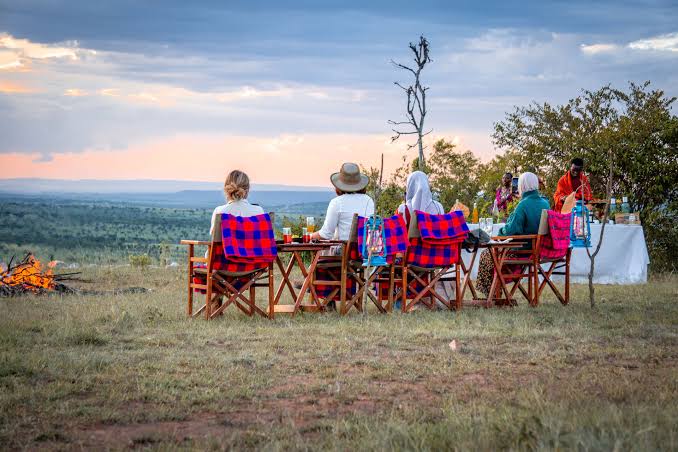
Things to Do in the Masai Mara
Game drives are the main activity in the Masai Mara. Morning and afternoon drives offer opportunities to look for elephants, giraffes, buffaloes, zebras, wildebeest and predators.
Other popular experiences include hot-air balloon safaris, wildlife photography, birdwatching and guided nature walks in permitted conservancies. Some camps also arrange cultural visits and sundowner experiences.
A hot-air balloon safari is especially memorable, providing you with a different perspective of the plains and the landscape waking up in the early morning.
Best Time to Visit the Masai Mara
You can visit the Masai Mara any time of the year; however, the best time to visit will depend on what you want to experience.
The Great Migration is most popular from July to October, when you might see huge herds entering Kenya and river crossings. This is also a busy safari season.
January to March is generally a good period for regular wildlife viewing, with relatively dry conditions and opportunities to see resident animals.
The long rains are in April/May, which make the countryside greener and less crowded, but some roads can be difficult to travel on.
November to December can provide vibrant scenery, opportunities for birdwatching, and more tranquil safari experiences, depending on the amount of rainfall.
Migration dates and river crossings are unpredictable, so it’s best to plan for the overall safari experience rather than a guaranteed crossing.
Plan Your Masai Mara Safari with Pearl Nature Holidays
A Masai Mara safari is a great way to experience Kenya’s wildlife and open savanna plains. You can also combine it with other destinations such as Amboseli National Park, Lake Nakuru or the Kenyan coast for a longer holiday.
At Pearl Nature Holidays, we help travelers plan African safari holidays across Kenya, Uganda, Rwanda, Tanzania, Zanzibar and Madagascar. Contact us to plan your Masai Mara safari and discover the wildlife and landscapes of Kenya.
Frequently asked questions
- Where is the Masai Mara located?
The Masai Mara is in Narok County, south-western Kenya, near the Tanzania border. It forms part of the wider Serengeti–Mara ecosystem.
- What is the Masai Mara famous for?
It is known for the Great Wildebeest Migration, large populations of lions, cheetahs and leopards, elephants, open savanna plains and Mara River crossings.
- When is the Great Wildebeest Migration in the Masai Mara?
The migration is usually associated with Masai Mara in the months of July to October. The timing, however, varies from year to year, depending on rainfall and grazing conditions.
- How many days do you need for a Masai Mara safari?
A three-day and two-night safari in the Masai Mara is a great starting point. Four days or more will give you more time for game drives and to explore different areas.
- Can you visit the Masai Mara outside migration season?
Yes. The reserve has resident wildlife throughout the year, including lions, elephants, giraffes, buffaloes and cheetahs. You can enjoy excellent game drives outside migration season.
- How do you get to the Masai Mara from Nairobi?
You can either drive in a 4×4 safari vehicle or fly by scheduled or charter flight from Nairobi to an airstrip serving the Mara region.