Kenya’s Top Destinations at a Glance
Destination | Highlights | Access from Nairobi | Recommended Stay | Best For |
Masai Mara and conservancies | Big cats, migration | 45-minute flight or 5 to 6 hours by road | 3 to 4 nights | Everyone |
Amboseli National Park | Elephants, Kilimanjaro | 45-minute flight or 4 to 5 hours by road | 2 nights | Photographers |
Samburu National Reserve | Samburu Special Five | 1-hour flight or 5 to 6 hours by road | 2 to 3 nights | Repeat visitors |
Laikipia | Rhinos, walking, horse riding | 1-hour flight or 4 hours by road | 2 to 3 nights | Families, active travellers |
Lake Nakuru National Park | Rhinos, flamingos | 3 hours by road | 1 night | Road safaris |
Lake Naivasha and Hell’s Gate | Boat trips, cycling | 2 hours by road | 1 to 2 nights | Families |
Tsavo East and West | Red elephants, wilderness | Road or rail, or from the coast | 2 to 3 nights | Road safaris from the coast |
Meru National Park | Wilderness, rhinos | Flight or road | 2 nights | Off-the-beaten-path travellers |
Nairobi | National Park, giraffe and elephant projects | City | 1 night | Arrival and departure |
Mount Kenya | Hiking and climbing | 3 to 4 hours by road | 4 to 6 days | Hikers |
Diani Beach | Beach, snorkelling, kitesurfing | 1-hour flight | 3 to 7 nights | Relaxation |
Watamu and Malindi | Marine park, beaches | 1-hour flight | 3 to 5 nights | Families |
Lamu | Swahili culture, dhows | 1.5-hour flight | 3 to 5 nights | Culture lovers |
The Masai Mara and Conservancies
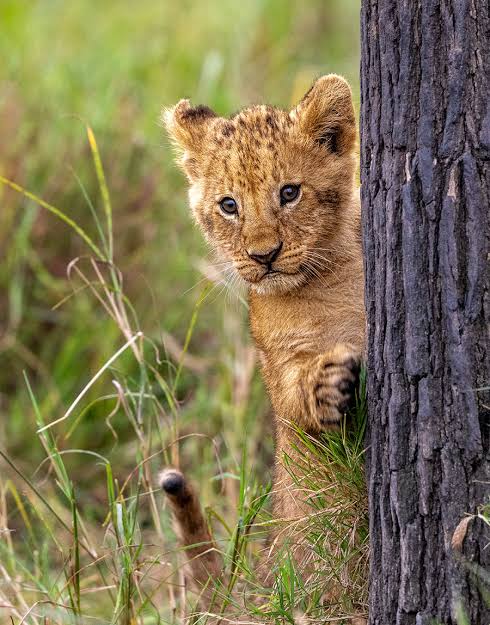
The Masai Mara National Reserve is Kenya’s most famous wildlife area and one of the best places in Africa for big cats. From July to October, the Great Migration arrives from Tanzania, with dramatic crossings of the Mara and Talek rivers.
Surrounding the reserve, private conservancies such as Mara North, Olare Motorogi, Naboisho and Ol Kinyei offer exclusive game viewing with limited vehicles, off-road driving, night drives, walking safaris and cultural visits. Conservancy fees support Maasai landowners.
Who it suits: Everyone, from first-timers to experienced travellers.
Tip: Combine two nights near the reserve’s river crossing points with two nights in a conservancy.
Amboseli National Park
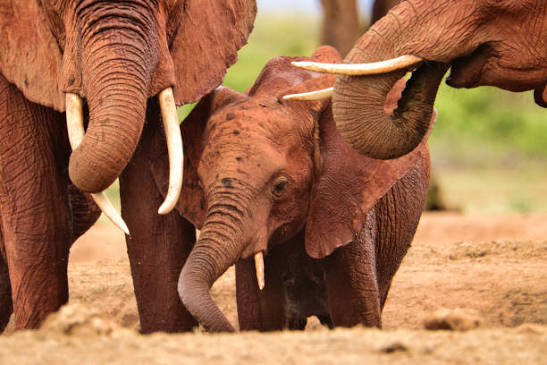
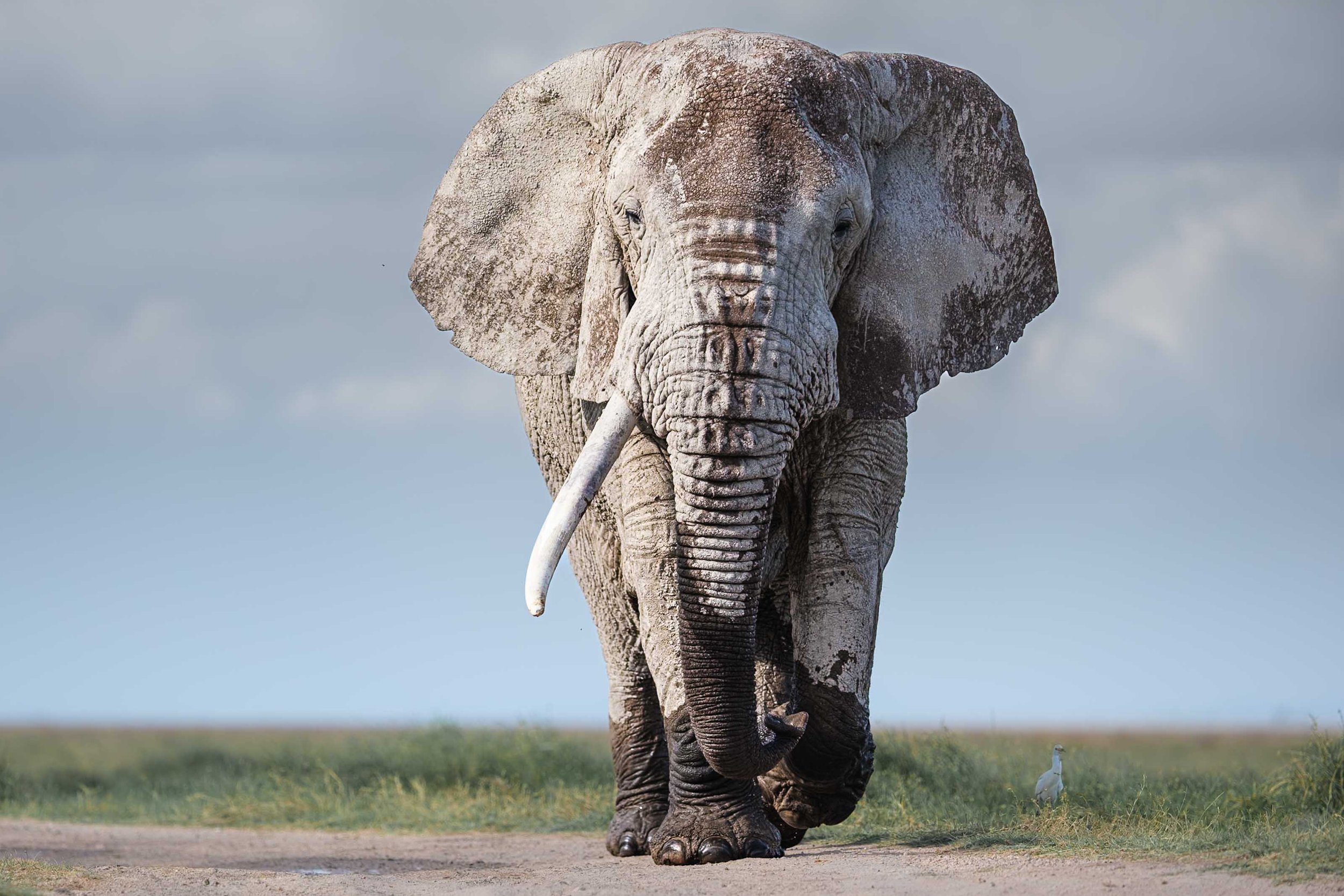
Amboseli is famous for its large elephant herds, many with impressive tusks, set against the backdrop of Kilimanjaro. Underground springs from the mountain feed swamps that attract wildlife year-round. Observation Hill offers panoramic views. Nearby conservancies offer walking safaris and quieter game viewing.
Who it suits: Photographers, elephant lovers, first-time visitors.
Samburu National Reserve
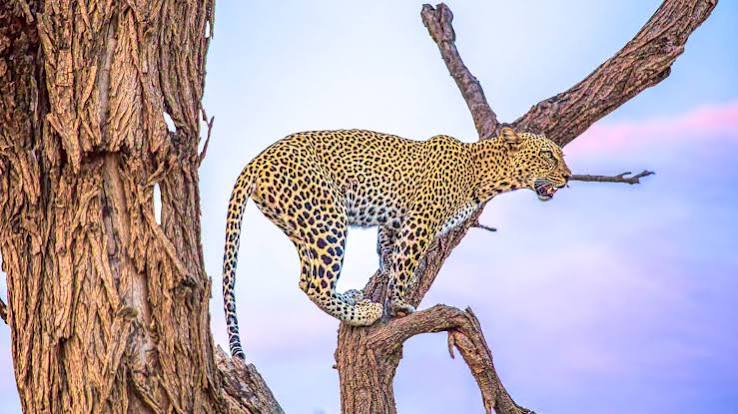
Samburu, along with Buffalo Springs and Shaba, lies in Kenya’s arid north. The Ewaso Ng’iro River attracts elephants, lions and leopards, while the dry country holds the Samburu Special Five: Grevy’s zebra, reticulated giraffe, Somali ostrich, gerenuk and beisa oryx. Samburu communities, known for their colourful beadwork, add cultural depth.
Who it suits: Repeat visitors, photographers, travellers wanting a different landscape.
Laikipia
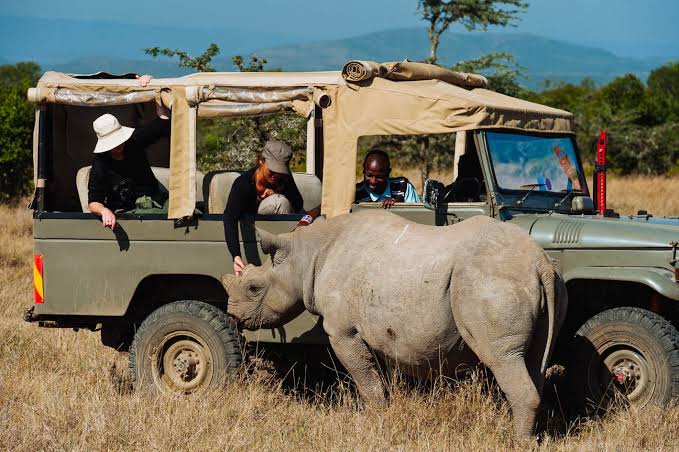
Laikipia’s private ranches and conservancies between Mount Kenya and the Rift Valley are among Kenya’s conservation success stories. They protect many of the country’s black and white rhinos, as well as wild dogs, Grevy’s zebras and elephants. Activities include walking, horseback, camel and mountain-bike safaris, night drives and visits to rhino and chimpanzee sanctuaries.
Who it suits: Families, active travellers, conservation enthusiasts.
Lake Nakuru and Lake Naivasha
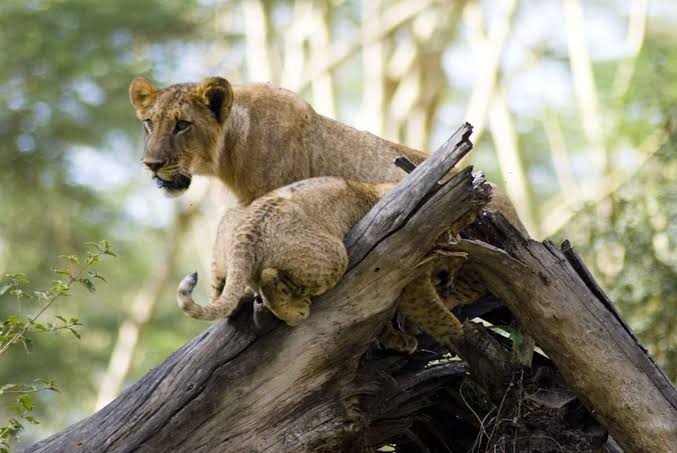
Lake Nakuru National Park is a rhino sanctuary with both black and white rhinos, along with Rothschild’s giraffes, lions and, at times, flamingos. Lake Naivasha offers boat trips among hippos and fish eagles, walking safaris on Crescent Island and cycling in Hell’s Gate National Park.
Who it suits: Road safari travellers, families, birders.
Tsavo East and Tsavo West
Together, the Tsavo parks form one of Kenya’s largest protected areas. Tsavo East is known for its red-dust elephants and wide plains, while Tsavo West offers volcanic landscapes, Mzima Springs and rhino sanctuaries. Their proximity to the coast makes them popular for short safaris from Mombasa and Diani.
Who it suits: Beach travellers adding a safari, adventurous travellers.
Meru National Park
Meru is a quiet, scenic park where Joy Adamson released Elsa the lioness, the story told in Born Free. It offers rivers, palms and rhinos, with few visitors.
Who it suits: Travellers seeking solitude.
Nairobi
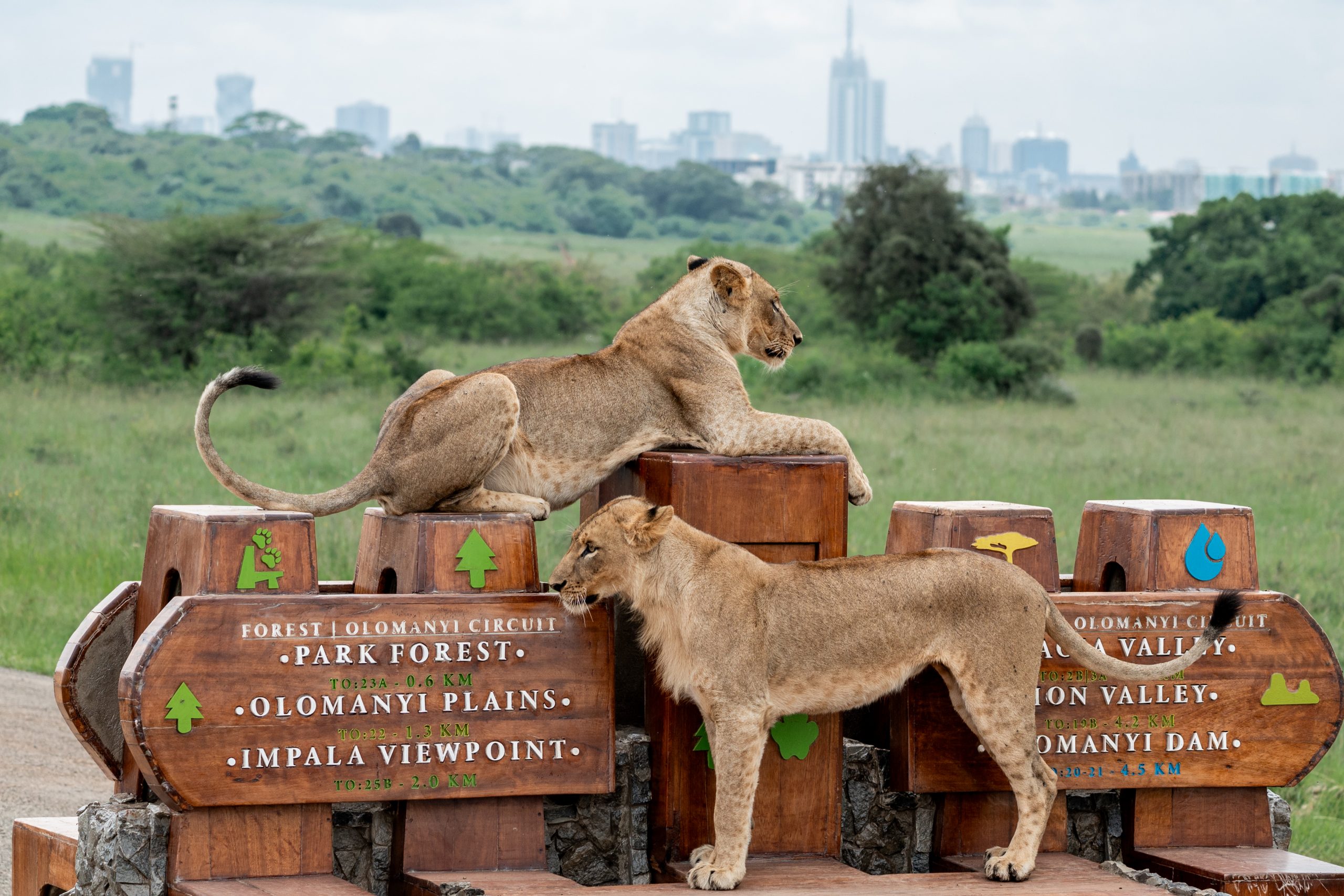
Nairobi is the gateway to most Kenya safaris. Nairobi National Park, just outside the city, offers lions, rhinos and giraffes with the city skyline in the background. Other attractions include elephant orphanage projects, giraffe conservation centres, the Karen Blixen Museum and craft markets.
Who it suits: Travellers with an arrival or departure day.
Mount Kenya
Mount Kenya, Africa’s second-highest mountain, offers trekking to Point Lenana at 4,985 metres, while the higher peaks require technical climbing. Its forests and moorlands are rich in wildlife and plants.
Who it suits: Hikers and mountaineers.
The Kenyan Coast
Diani Beach
South of Mombasa, Diani offers long white beaches, snorkelling, diving, kitesurfing and colobus monkeys in coastal forests.
Watamu and Malindi
Watamu’s marine park offers excellent snorkelling and diving, while nearby Arabuko-Sokoke Forest and Gede Ruins add nature and history.
Lamu
Lamu Old Town is a UNESCO World Heritage Site, with narrow streets, donkeys, dhows and centuries-old Swahili architecture.
Beach | Atmosphere | Best For |
Diani | Resorts, lively | Families, watersports |
Watamu | Relaxed, marine park | Snorkellers, families |
Lamu | Cultural, slow-paced | Couples, culture lovers |
Kenya Itineraries
Itinerary | Duration | Destinations |
Mara short break | 4 days | Masai Mara |
Classic Kenya | 7 to 8 days | Amboseli, Naivasha, Masai Mara |
Northern and Mara | 9 to 10 days | Samburu, Laikipia, Masai Mara |
Safari and beach | 10 to 14 days | Masai Mara, Amboseli, Diani or Lamu |
Coast and Tsavo | 6 to 8 days | Diani, Tsavo East and West |
When to Visit Kenya’s Destinations
Destination | Best Time |
Masai Mara | July to October for migration, January to February for good game viewing |
Amboseli | June to October, January to February |
Samburu and Laikipia | June to October, December to March |
Coast | December to March, July to October |
Reserve or Conservancy: Which Is Right for You?
One of the biggest decisions in Kenya is choosing between national parks and reserves on one hand and private conservancies on the other. Both offer excellent wildlife, but the experience differs.
National parks and reserves, such as the Masai Mara National Reserve and Amboseli, are open to all visitors with a park permit. Vehicles must stay on tracks, night drives are not allowed and popular sightings can attract many vehicles, especially in peak season. In return, they offer access to famous areas such as the Mara River crossing points and generally lower costs.
Conservancies are areas of community or private land leased for wildlife tourism. They limit the number of camps and vehicles, allow off-road driving to approach sightings, and offer night drives, walking safaris and cultural visits. Conservancy fees, usually included in camp rates, provide income for local landowners and encourage them to keep land open for wildlife.
Factor | National Reserve or Park | Private Conservancy |
Vehicle numbers | Can be high | Limited |
Off-road driving | Not permitted | Usually permitted |
Night drives | Not permitted | Permitted |
Walking safaris | Limited | Common |
Access to river crossings | Direct (Mara Reserve) | Day trips into the reserve |
Cost | Moderate | Higher |
Community benefit | Park fees | Direct lease payments |
Road Safari or Fly-In Safari?
Kenya’s destinations can be linked by road or by small aircraft from Nairobi’s Wilson Airport. Road safaris cost less and show you the countryside, villages and Rift Valley scenery, but drives can be long and bumpy. The road from Nairobi to the Masai Mara, for example, takes around five to six hours, with the final stretch on rough tracks.
Fly-in safaris save time and energy. Flights to the Mara, Amboseli, Samburu and Laikipia take around 45 minutes to an hour and a quarter, and your camp guide meets you at the airstrip. The trade-off is cost and a soft-bag luggage limit, usually around 15 kilograms per person.
Many travellers combine both: driving between Nairobi, Lake Naivasha and Amboseli, then flying to the Mara and back.
Lesser-Known Kenya Destinations
Kenya has many quieter destinations beyond the famous parks. The Chyulu Hills, between Amboseli and Tsavo, offer green volcanic hills, lava tubes and horse riding with views of Kilimanjaro. Lake Baringo and Lake Bogoria in the Rift Valley are excellent for birding, with hot springs and, at times, flamingos. The Loita Hills and Nguruman Escarpment offer walking safaris with Maasai guides. In the far north, Lake Turkana and the Matthews Range offer remote landscapes and cultural encounters for adventurous travellers. Kakamega Forest in western Kenya holds rainforest species found nowhere else in the country.
These destinations suit repeat visitors and travellers seeking solitude, though some require longer journeys or specialist operators.
Matching Kenya Destinations to Your Travel Style
Travellers who want big cats and drama should prioritise the Masai Mara and its conservancies. Photographers often add Amboseli for elephants and Kilimanjaro, and Samburu for its distinctive species and landscapes. Active travellers will enjoy Laikipia’s walking, cycling, horse and camel safaris. Families benefit from Laikipia, Naivasha and the coast. Luxury travellers can combine exclusive conservancy camps with private villas on Lamu or in Diani. Budget travellers can enjoy road safaris covering Amboseli, Naivasha, Nakuru and the Mara reserve.
Frequently Asked Questions
What is the best destination in Kenya?
The Masai Mara is Kenya’s most famous destination, especially from July to October.
Where can I see elephants with Kilimanjaro behind them?
In Amboseli National Park.
Where can I see rhinos in Kenya?
In Laikipia, Lake Nakuru, Tsavo and the Masai Mara.
What is the Samburu Special Five?
Grevy’s zebra, reticulated giraffe, Somali ostrich, gerenuk and beisa oryx.
Which Kenyan beach is best?
Diani for watersports, Watamu for marine life and Lamu for culture.
How many destinations can I visit in a week?
Two or three, depending on travel time.
Should I drive or fly between parks?
Flying saves time; driving is cheaper and shows more of the countryside.
What is a conservancy?
Community or private land leased for wildlife tourism, offering exclusive activities.
Is Nairobi worth a day?
Yes, for Nairobi National Park and wildlife conservation projects.
Can I combine Kenya destinations with Tanzania?
Yes. The Mara and Serengeti, and Amboseli and Arusha, combine well.
Should I stay in the Masai Mara reserve or a conservancy?
Ideally both. The reserve offers river crossings; conservancies offer exclusivity and extra activities.
How long is the drive from Nairobi to the Masai Mara?
About five to six hours, or around 45 minutes by light aircraft.
What are some lesser-known places to visit in Kenya?
The Chyulu Hills, Lake Baringo, Lake Bogoria, the Loita Hills and Kakamega Forest offer quieter experiences.
Which Kenya destinations suit active travellers?
Laikipia offers walking, cycling, horse and camel safaris, and Mount Kenya offers trekking.
Can I visit the Masai Mara and the coast on the same trip?
Yes. Direct flights connect the Mara airstrips with Nairobi, and onward flights reach Diani, Malindi and Lamu in about an hour.
Is Amboseli worth visiting if I am already going to the Mara?
Yes. Amboseli offers a different landscape, large elephant herds and Kilimanjaro views, making it a good complement to the Mara.