Queen Elizabeth National Park : Attractions, Activities and Best Time to Visit
Queen Elizabeth National Park in Uganda is one of the most rewarding safari destinations combining classic African wildlife with crater lakes, open savannah, tropical forests and scenic waterways. In western Uganda, between Lake Edward and Lake George and under the Rwenzori Mountains, the park is a world of different experiences in one place.
Queen Elizabeth National Park is about 1,978 square kilometres and is home to elephants, buffaloes, lions, leopards, hippos and many species of antelopes. It is also famous for Ishasha’s tree-climbing lions, boat cruises on the Kazinga Channel and chimpanzee tracking in Kyambura Gorge.
Queen Elizabeth National Park is a great addition to any Uganda safari, whether it’s your first or you are combining wildlife viewing with gorilla trekking in Bwindi.
Where Is Queen Elizabeth National Park Located?
Queen Elizabeth National Park is located in the Albertine Rift Valley of southwestern Uganda. By road It is accessible from Kampala and Entebbe through Mbarara or Fort Portal.
The park is made up of several distinct sections including the Kasenyi plains, Mweya Peninsula, Ishasha sector and Kyambura Gorge. Each provides a distinct experience ranging from open grasslands where wildlife congregate to forested landscapes ideal for primate tracking.
Top Attractions in Queen Elizabeth National Park
- Kazinga Channel
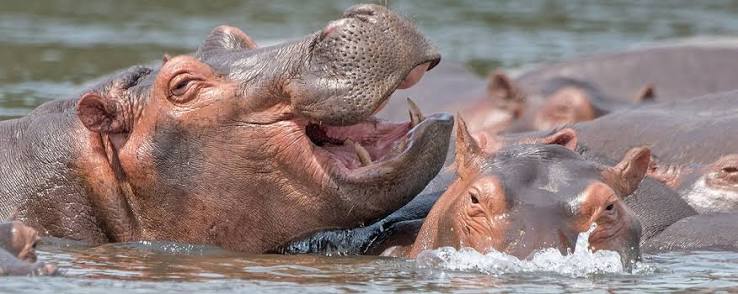
The Kazinga Channel is one of the park’s best known attractions, this natural waterway connects Lake George and Lake Edward attracting large numbers of hippos, elephants, buffaloes, crocodiles and waterbirds.
A boat cruise along the channel provides excellent opportunities to observe wildlife at close range, especially animals gathering along the banks. It is also one of the most relaxing ways to experience the park’s scenery.
- The Tree-Climbing Lions of Ishasha
The Ishasha sector in the southern part of the park is famous for lions that sometimes rest in the branches of fig trees.
Seeing one of these lions stretched across a tree limb is a memorable safari experience, although sightings are never guaranteed.
Ishasha is particularly appealing to travellers heading between Queen Elizabeth National Park and Bwindi Impenetrable National Park.
- Kasenyi Plains
The open grasslands of Kasenyi are among the best places for game drives and this is where Uganda kob, buffaloes, elephants and other wildlife are regularly encountered here, while lions patrol the plains in search of prey.
A good time to explore the area is during the early morning game drives before the heat of the day sets in.
- Kyambura Gorge
The Kyambura Gorge is a forested area in the savannah that is known as the “Valley of the Apes.” The most popular activity is the guided chimpanzee tracking where visitors can walk in the forest and learn about the primates and other wildlife.
Depending on the direction of the groups you may see chimpanzees and the experience may include a pleasant walk through the gorge.
- Crater Lakes and Scenic Landscapes
The park’s volcanic crater lakes, rolling hills and viewpoints offer a different perspective of the Ugandan wilderness while Lake Katwe is also a traditional salt extraction area and provides insight into local livelihoods and community-landscape relationships.
Things to Do in Queen Elizabeth National Park
Game drives: Enjoy game drives in Kasenyi and other wildlife areas looking for lions, elephants, buffaloes, Uganda kob and more.
Kazinga Channel boat cruise: Get up close to hippos, crocodiles, elephants and plenty of water birds along the shoreline.
Chimpanzee tracking: Take a guided trek into Kyambura Gorge (depending on availability and tracking requirements).
Birdwatching: The park is a superb place for birders from the casual observer to the avid birder with Over 615 bird species recorded,it is the number one bird watching destination in Africa.
Lion tracking: You can go on specialist lion tracking experiences in some places to get more insight into lion behaviour and conservation.
Cultural experiences: Visitors to nearby communities are introduced to local traditions, crafts, food and daily life. Choose respectful, locally guided experiences that benefit the communities involved.
Visit Reformed Poachers and Community Conservation Projects: One of the more meaningful experiences around Queen Elizabeth National Park is meeting former poachers who have left illegal hunting behind and are now involved in conservation and alternative livelihoods.
Through suitable community led initiatives, visitors can learn why some people once hunted wildlife, how attitudes are changing and how local communities are becoming partners in protecting Uganda’s wildlife.
These encounters offer a different perspective on conservation showing how community involvement can help safeguard animals and support livelihoods.
Arrange visits through Pearl Nature Holidays, as opportunities and programmes vary.
Best Time to Visit Queen Elizabeth National Park
Queen Elizabeth National Park can be visited throughout the year. However the drier periods generally from June to September and December to February are often favourable for game drives because tracks tend to be drier and wildlife may gather around reliable water sources.
The wetter months bring greener scenery and can be rewarding for birdwatching. Rain can make some tracks more difficult to traverse so flexible plans and appropriate transport are a help.
Wildlife sightings depend on the season and animal movements but the park provides rewarding experiences any season.
How Far Is Queen Elizabeth National Park from Kampala and Entebbe?
The distance from Kampala to Queen Elizabeth National Park is about 390-420 kilometres, depending on the route and the part of the park you are visiting. From Entebbe, the journey is roughly 400–450 kilometres depending on the starting point and route.
Allow around 6–8 hours by road, although traffic, road conditions, stops and your lodge’s location can make the journey longer.
Visitors can travel via Mbarara and Bushenyi or take the route through Fort Portal and Kasese. A private 4×4 safari vehicle is a comfortable option especially if you plan to explore several parts of the park.
For a quicker journey, scheduled services where available or charter flights can connect travellers from Entebbe or Kajjansi to airstrips serving areas such as Kasese, Mweya or Ishasha. Lodge transfers should be arranged in advance.
Where to Stay in Queen Elizabeth National Park
Accommodation ranges from luxury safari lodges to mid-range properties, tented camps, budget lodges and simpler bandas or campsites. Travellers can choose a comfortable lodge overlooking the savannah or water, a secluded camp close to nature, or a more affordable base for game drives.
Mweya is convenient for exploring the central park and taking a Kazinga Channel boat cruise while Ishasha is a good choice for visitors hoping to explore the southern sector and look for tree-climbing lions. Accommodation in Kyambura caters for travellers interested in chimpanzee tracking.
It is recommended to book in advance during busy periods, especially if you have a lodge preference or need to organise activities in different sectors.
Plan Your Queen Elizabeth National Park Safari with Pearl Nature Holidays
Queen Elizabeth National Park is a mixed bag of a safari destination wildlife, landscapes and culture abound, from lions lounging in fig trees to hippos jostling in the Kazinga Channel.
Pearl Nature Holidays can organise your safari to Queen Elizabeth National Park, including transport, accommodation, game drives, boat cruises and arrangements for chimpanzee tracking.
Or combine the park with Kibale Forest for more primate encounters or head on to Bwindi for mountain gorilla trekking.
Contact Pearl Nature Holidays to plan a Uganda safari to suit your travel dates, interests and budget.