Ngorongoro Conservation Area Tanzania
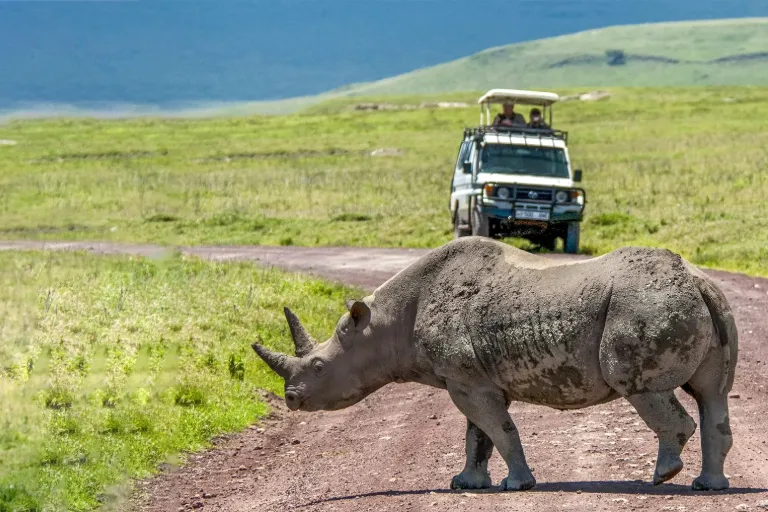
The Ngorongoro Conservation Area is one of Tanzania’s most remarkable wildlife destinations. It is famous for the Ngorongoro Crater, abundant wildlife and spectacular highland scenery. This park in northern Tanzania gives visitors the opportunity to see lions, elephants, buffaloes, zebras, wildebeest, hippos and, if they’re lucky, the endangered black rhino.
It is also a UNESCO World Heritage site for its natural beauty, wildlife and archeological importance. Its number one attraction, the Ngorongoro Crater, is the world’s largest intact and unfilled volcanic caldera and is one of the best places to go on a wildlife safari in Tanzania.
Where Is Ngorongoro Conservation Area Located?
The Ngorongoro Conservation Area is situated in northern Tanzania between the Serengeti plains and the Great Rift Valley. It is approximately 180 kilometres from Arusha, although travel time depends on the route and road conditions.
The conservation area covers around 8,292 square kilometres and includes grasslands, forests, volcanic craters and highland landscapes. Unlike a national park, it allows wildlife conservation to take place alongside traditional Maasai pastoralist activities.
How to Get to Ngorongoro Conservation Area
You can get to Ngorongoro by road or by a combination of air and road travel.
By road: Most safaris start from Arusha, and then drive toward the Ngorongoro Conservation Area through the Karatu region. Usually it is a journey of several hours.
By air: Travellers can fly to nearby airstrips, such as Lake Manyara, depending on available flight schedules, and continue by road to their lodge or safari destination.
Many visitors combine Ngorongoro with Serengeti National Park, Tarangire National Park and Lake Manyara National Park on a northern Tanzania safari.
Top Attractions in Ngorongoro Conservation Area
Ngorongoro Crater: The main attraction is known for its high concentration of wildlife including lions, elephants, buffaloes, zebras, wildebeest and black rhinos .
Olduvai Gorge: An important archeological site where discoveries have increased our understanding of early human evolution.
Empakaai Crater: A beautiful volcanic crater with lake, scenic walking experiences and forested slopes.
Olmoti Crater – Walk through picturesque highland scenery with views over the surrounding countryside.
Lake Magadi: A very alkaline lake in the bottom of the Ngorongoro Crater, frequented by flamingoes and other waterbirds.
Maasai cultural experience: We organize visits to villages where you can experience the Maasai traditions, pastoral life and the local culture.
Visitors can enjoy a variety of experiences such as:
- Ngorongoro Crater game drives.
- Wildlife photography and birdwatching.
- Guided walking safaris in permitted areas.
- Cultural visits to Maasai communities.
- Archaeological tours at Olduvai Gorge.
- Hiking around Empakaai and Olmoti craters.
A crater game drive is the main safari activity and offers excellent opportunities to observe wildlife in a relatively compact area.
Best Time to Visit Ngorongoro Conservation Area
Ngorongoro can be visited throughout the year, but conditions vary by season.
- June to October: These drier months usually provide good wildlife viewing and better road conditions.
- November to Dec: The short rains green up the landscape and offer fresh grazing.
- January–March: Best for the wider Ngorongoro and Ndutu region, particularly during the wildebeest calving season.
- April-May: The long rains bring lush scenery, but some roads can get muddy.
The crater is home to wildlife throughout the year and is a rewarding destination in different seasons.
Plan a Ngorongoro Safari with Pearl Nature Holidays
Ngorongoro Conservation Area is an excellent addition to a northern Tanzania safari. You can combine a crater game drive with the Great Wildebeest Migration in Serengeti, elephant viewing in Tarangire and the beautiful landscapes of Lake Manyara.
Whether you want a short wildlife holiday or a longer journey through northern Tanzania, Pearl Nature Holidays helps you plan a Tanzania safari around your travel dates, interests and preferred experiences.
Frequently asked questions
- Where is Ngorongoro Conservation Area located?
It is located in northern Tanzania between the Serengeti National Park and the Great Rift Valley, some 180 kilometers from Arusha.
- What is Ngorongoro Crater known for?
Ngorongoro Crater is famous for its volcanic landscape and abundant wildlife including lions, elephants, buffaloes and black rhinos.
- Can you see the Big Five in Ngorongoro Crater?
Yes. All five species, including the endangered black rhino, live in the crater. But you can’t guaranty you’ll see one.
- How many days do you need in Ngorongoro?
One full day is commonly enough for a crater game drive. Two or more days allow time to explore other attractions in the wider conservation area.
- Can Ngorongoro be combined with Serengeti?
Yeah. Many safaris in the north of Tanzania combine Serengeti National Park with the Ngorongoro Crater and often Tarangire and Lake Manyara.