Uganda is the best choice in Africa for primate experiences, combining gorillas and chimpanzees with classic savannah game in one itinerary. It also offers excellent birding, with more than 1,000 recorded species, and striking landscapes of crater lakes, volcanoes, rainforest and the Rwenzori Mountains.
Winston Churchill called it the “Pearl of Africa”, and many travellers leave understanding why.
Uganda offers a different kind of safari from the classic savannah experience of Kenya or Tanzania. This guide explains what a Uganda safari holiday involves, where to go, when to travel, what it costs, where to stay and how to plan a trip that suits your interests and budget.
Uganda Is a Strong Fit If You
- Want to track mountain gorillas at a lower permit cost than Rwanda
- Want gorillas and chimpanzees in the same trip
- Enjoy walking, hiking and active experiences
- Are a keen birder looking for species such as the shoebill
- Like varied scenery and fewer vehicles at sightings
- Have at least 7 to 10 days available
Consider Kenya or Tanzania Instead If You
- Want the Great Migration or very high densities of plains game
- Prefer short drives and fly-in convenience on a shorter trip
- Want the Big Five reliably in a few days
- Are not interested in primates or forest walks
Many travellers solve this by combining Uganda with Kenya, Tanzania or Rwanda, which is covered later in this guide.
Why Visit Uganda?
Mountain Gorillas
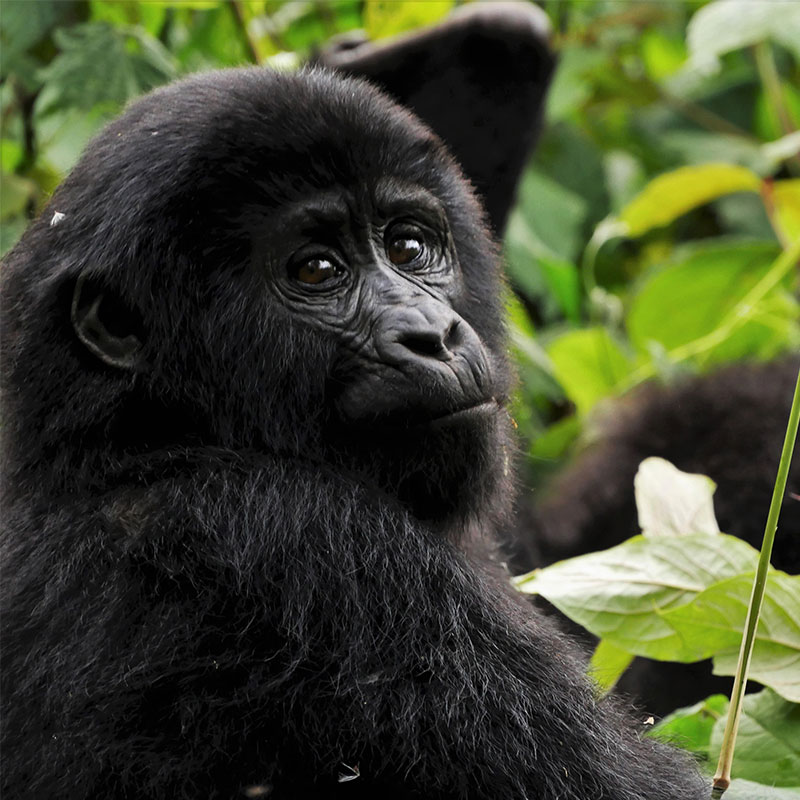
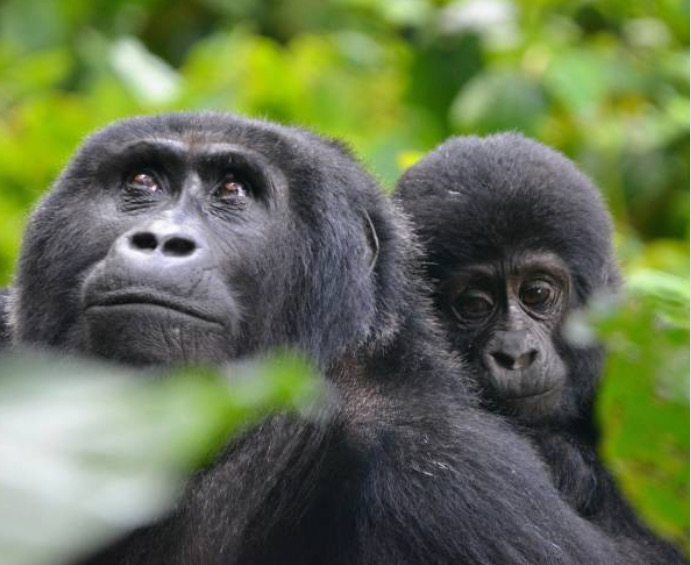
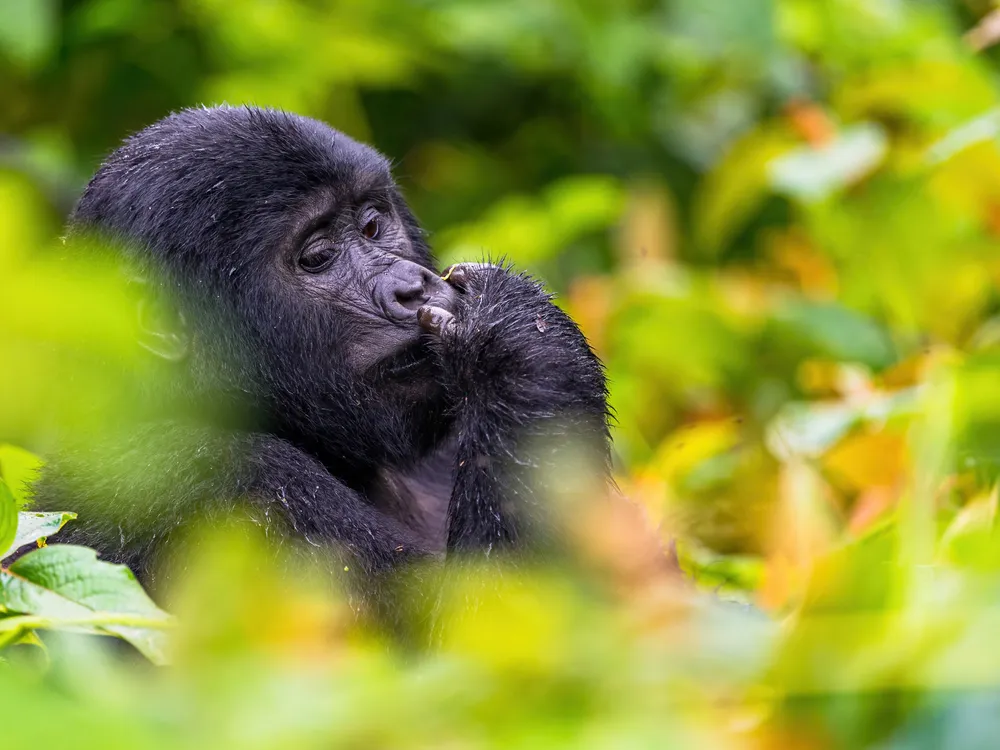
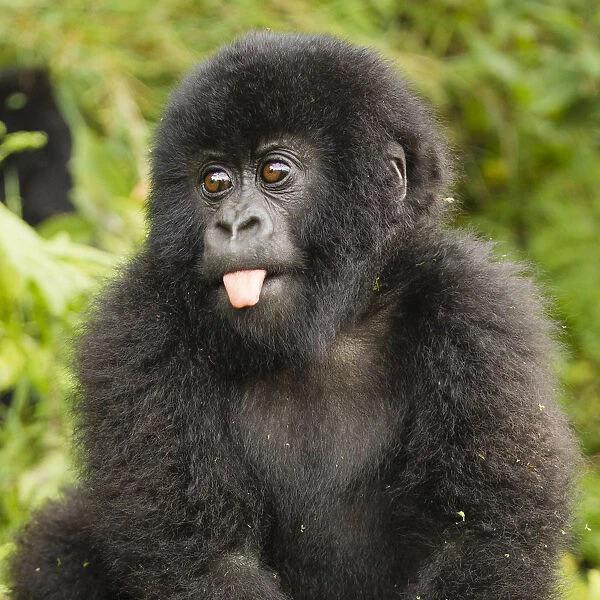
Uganda is home to around half of the world’s mountain gorillas. Bwindi Impenetrable National Park and Mgahinga Gorilla National Park offer gorilla trekking, with permits at lower prices than in Rwanda. Bwindi has the largest number of habituated gorilla families, which improves availability, and is also the only place offering the Gorilla Habituation Experience, which allows up to four hours with a family that is being prepared for tourism.
Chimpanzees and Other Primates
Kibale National Park has one of the highest densities of primates in Africa, with 13 species including chimpanzees, red colobus, black-and-white colobus and L’Hoest’s monkeys. Chimpanzee trekking success rates in Kibale are high. Other chimpanzee sites include the Kyambura Gorge in Queen Elizabeth National Park and the Budongo Forest near Murchison Falls.
Savannah Wildlife
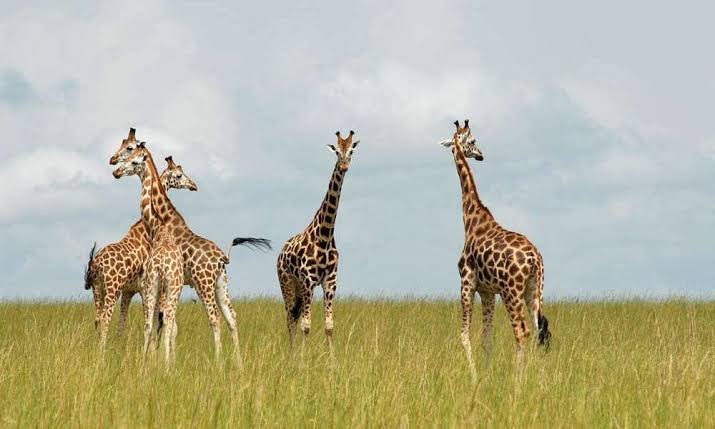
Queen Elizabeth, Murchison Falls, Kidepo Valley and Lake Mburo National Parks offer lions, elephants, buffaloes, leopards, hippos, giraffes and many antelope species. Ziwa Rhino Sanctuary allows tracking of white rhinos on foot, and rhinos are being reintroduced to selected areas.
The Nile and Water Safaris
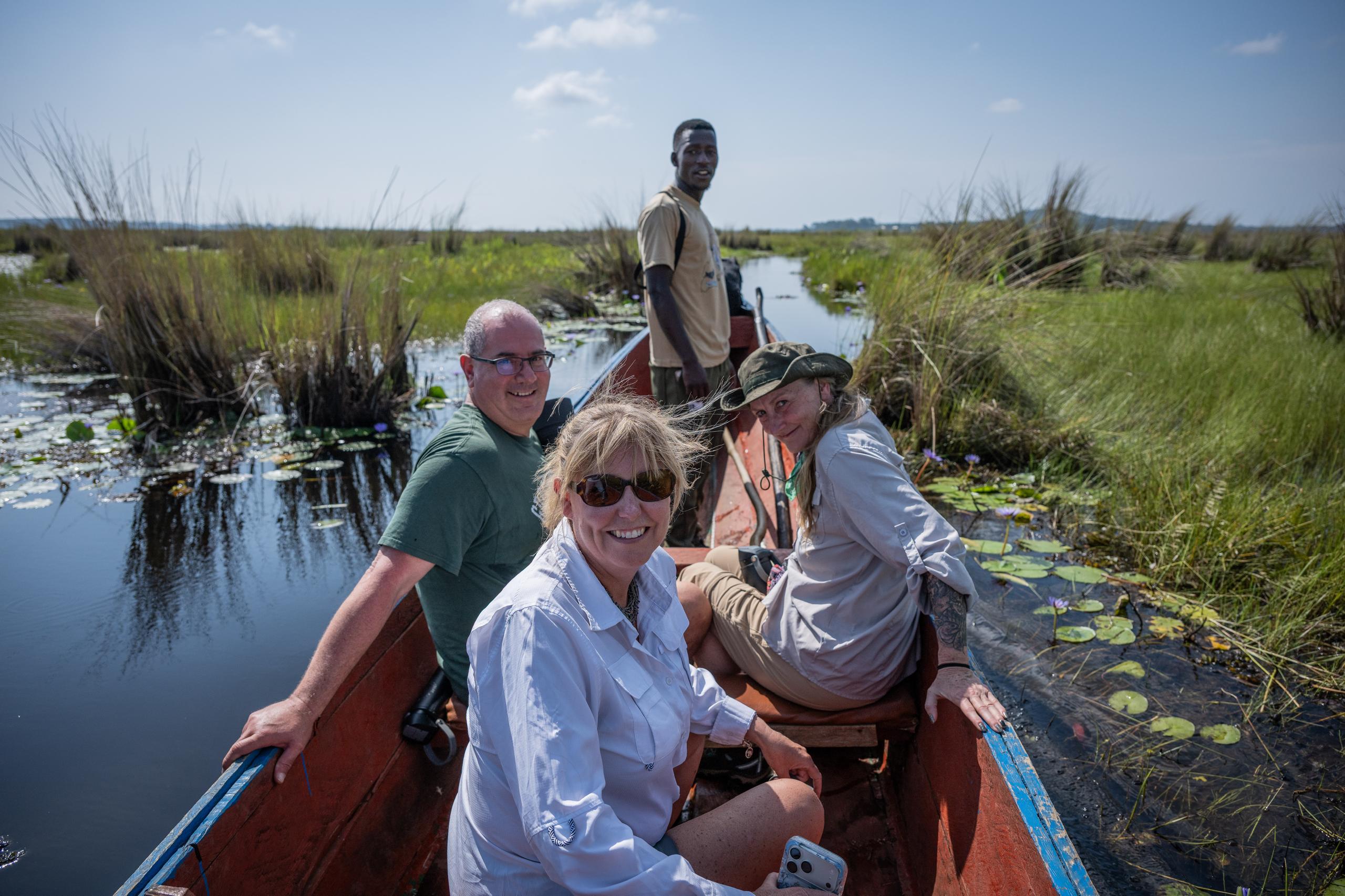
Boat safaris are a highlight of Uganda. The Kazinga Channel in Queen Elizabeth and the Nile below Murchison Falls offer close views of hippos, crocodiles, elephants and waterbirds. In Jinja, where the Nile flows out of Lake Victoria, you can try white-water rafting, kayaking and quad biking.
Birding
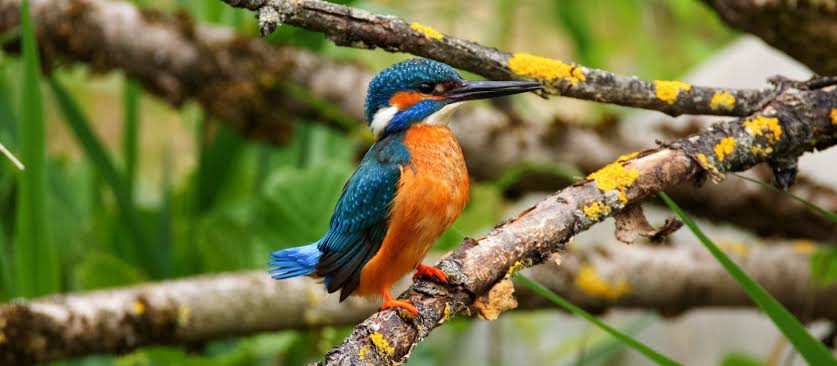
Uganda’s birdlist exceeds 1,000 species. Mabamba Swamp near Entebbe and the Murchison Falls delta are the best places to look for the prehistoric-looking shoebill, while Bwindi holds many Albertine Rift endemics.
Culture
Cultural experiences include visits with the Batwa community near Bwindi and Mgahinga, Karamojong villages near Kidepo, banana and coffee farm tours and the busy markets of Kampala.
Where to Go: Uganda’s Top Safari Destinations
Destination | Highlights | Best For | Recommended Stay |
Bwindi Impenetrable NP | Gorilla trekking, habituation, forest walks, birding | Gorillas, birders | 2 to 3 nights |
Mgahinga Gorilla NP | Gorillas, golden monkeys, volcano hikes | Gorillas, hikers | 2 nights |
Kibale National Park | Chimpanzee trekking, crater lakes | Primates | 2 nights |
Queen Elizabeth NP | Kazinga Channel, Ishasha lions, Kyambura Gorge | Varied wildlife | 2 to 3 nights |
Murchison Falls NP | Falls, Nile boat trip, game drives | Big game, scenery | 2 to 3 nights |
Kidepo Valley NP | Remote wilderness, cheetahs, ostriches | Adventurous travellers | 2 to 3 nights |
Lake Mburo NP | Zebras, impalas, walking and horseback safaris | Short trips, break in journey | 1 to 2 nights |
Lake Bunyonyi | Relaxation, canoeing, islands | Rest after gorilla trekking | 1 to 2 nights |
Jinja | Rafting, kayaking, Nile cruises | Adventure seekers | 1 to 2 nights |
Rwenzori Mountains NP | Multi-day trekking, glaciers | Serious hikers | 6 to 9 days |
Bwindi Impenetrable National Park
Bwindi is the heart of most Uganda safaris. Its steep, forested ridges are divided into four trekking sectors: Buhoma in the north, Ruhija in the east, and Rushaga and Nkuringo in the south. Each has its own lodges and gorilla families. The sector you trek in is fixed by your permit, so it is important to book accommodation in the same sector to avoid early-morning drives.
Queen Elizabeth National Park
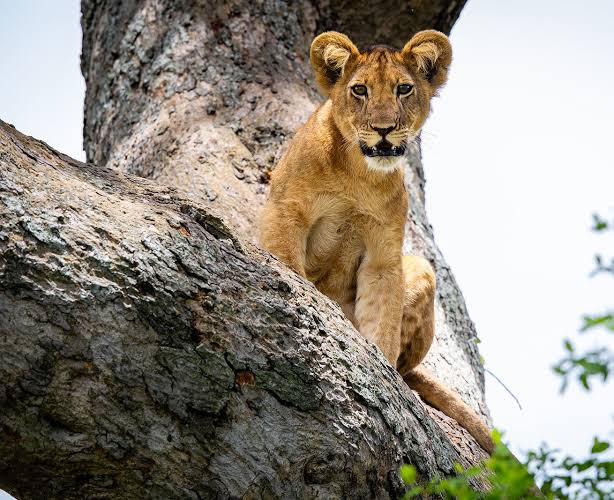
Queen Elizabeth is Uganda’s most visited savannah park. The afternoon boat trip on the Kazinga Channel is a highlight, often with dozens of elephants and hundreds of hippos along the banks. In the southern Ishasha sector, lions are known for resting in fig trees. Kyambura Gorge offers chimpanzee trekking in a sunken forest.
Murchison Falls National Park
Uganda’s largest park is divided by the Nile. North of the river, game drives reveal giraffes, elephants, buffaloes, lions and many antelope. A boat trip to the base of the falls is memorable, and a hike to the top shows the full force of the river as it squeezes through a gap of around seven metres.
Kidepo Valley National Park
Kidepo, in the far northeast near the borders with South Sudan and Kenya, is one of Africa’s most remote and beautiful parks. Its wide valleys and mountain backdrops hold cheetahs, lions, elephants, buffaloes and species found nowhere else in Uganda. Most visitors fly in, as the drive is very long.
When to Visit Uganda
Uganda sits on the equator, so temperatures are pleasant year-round, generally warm by day and cooler at night, especially at altitude. The main difference between seasons is rainfall.
Season | Months | Conditions | Pros | Cons |
Long dry season | June to September | Drier trails, clear days | Best gorilla trekking conditions, good game viewing | Highest demand, book early |
Short rains | October to November | Afternoon showers | Green scenery, fewer visitors | Muddy trails |
Short dry season | December to February | Warm, mostly dry | Good trekking and game viewing | Busy over Christmas |
Long rains | March to May | Heavy rain | Lower prices, lush forests, discounted permits | Slippery trails, some roads difficult |
Best Time for Gorilla Trekking
June to September and December to February are the most popular months for gorilla trekking, as trails are drier. Gorillas can be tracked all year, and many travellers enjoy the quieter wet months, when permits may be discounted. In 2026, Uganda introduced a lower permit price for foreign non-residents in April, May and November.
Best Time for Savannah Parks
Game viewing in Queen Elizabeth and Murchison Falls is best in the dry seasons, when animals gather near water and vegetation is lower.
Best Time for Birding
Birding is good all year. November to April brings migrant species, and some birds breed during the wetter months.
How Much Does a Uganda Safari Cost?
Uganda safari costs depend on the length of your trip, your accommodation style, the number of travellers sharing a vehicle and the permits you choose.
Permit Costs
Permit | Approximate Price (Foreign Non-Resident) |
Gorilla trekking | US$800 (US$600 in April, May and November) |
Gorilla habituation experience | US$1,500 |
Chimpanzee trekking, Kibale | About US$250 |
Park entry fees | Usually US$40 to US$45 per day for most parks |
Permit prices are set by the Uganda Wildlife Authority and can change. Confirm current rates when booking.
Typical Safari Costs
Style | Approximate Cost per Person per Day (Excluding Permits) | What You Get |
Budget | US$150 to US$250 | Simple lodges or guesthouses, shared vehicle |
Mid-range | US$250 to US$450 | Comfortable lodges, private vehicle and driver-guide |
Luxury | US$500 to US$1,200 or more | Top lodges, fly-in options, premium service |
A typical 10-day mid-range Uganda safari including one gorilla permit and one chimpanzee permit often costs in the region of US$3,500 to US$5,500 per person sharing, depending on season and choices. Fly-in itineraries cost more but save long road journeys.
Accommodation on a Uganda Safari
Uganda offers a wide range of accommodation, from simple bandas and guesthouses to luxury forest lodges with private terraces and spa treatments.
Accommodation Style | Description | Best For |
Budget guesthouses and bandas | Basic rooms, shared or simple facilities | Backpackers, overlanders |
Mid-range lodges | Comfortable en-suite rooms, good food | Most travellers |
Tented camps | Canvas rooms with en-suite bathrooms | Travellers seeking a closer connection to nature |
Luxury lodges | High comfort, excellent views, spa services | Honeymooners, special occasions |
In Bwindi, choose accommodation in the same sector as your gorilla permit. In Queen Elizabeth, consider splitting your stay between the Mweya Peninsula or Kasenyi area and Ishasha.
Activities on a Uganda Safari
- Gorilla trekking: One hour with a habituated family after a hike of one to six hours.
- Gorilla habituation: Up to four hours with a family in the habituation process.
- Chimpanzee trekking: In Kibale, Kyambura Gorge and Budongo.
- Game drives: In Queen Elizabeth, Murchison Falls, Kidepo and Lake Mburo.
- Boat safaris: Kazinga Channel, the Nile at Murchison Falls and Lake Mburo.
- Walking safaris: In Lake Mburo, Kidepo and around the forest parks.
- Rhino tracking: On foot at Ziwa Rhino Sanctuary.
- Birding: Shoebill trips to Mabamba Swamp and the Murchison delta.
- Cultural visits: Batwa experiences, village walks, coffee tours.
- Adventure: Rafting and kayaking in Jinja, hiking in the Rwenzori and Mount Elgon.
Uganda Safari Itineraries
7-Day Uganda Primate Safari
- Day 1: Arrive at Entebbe, overnight near Lake Victoria.
- Day 2: Drive to Kibale National Park.
- Day 3: Chimpanzee trekking, afternoon swamp walk.
- Day 4: Drive to Queen Elizabeth National Park, afternoon Kazinga Channel boat trip.
- Day 5: Morning game drive, continue to Bwindi via Ishasha.
- Day 6: Gorilla trekking.
- Day 7: Drive or fly back to Entebbe.
10-Day Classic Uganda Safari
Add Murchison Falls at the start, with Ziwa Rhino Sanctuary on the way, then continue through Kibale, Queen Elizabeth and Bwindi, finishing with a night at Lake Bunyonyi.
14-Day Comprehensive Uganda Safari
Combine Murchison Falls, Kibale, Queen Elizabeth, Bwindi, Lake Bunyonyi and Lake Mburo, or add Kidepo Valley by charter flight.
Itinerary | Duration | Highlights | Best For |
Gorilla express | 3 to 4 days | Bwindi gorillas | Short trips, add-on to Kenya or Tanzania |
Primate safari | 7 days | Gorillas, chimps, Queen Elizabeth | First-time visitors |
Classic Uganda | 10 days | Murchison, primates, savannah | Balanced experience |
Comprehensive | 14 days or more | Most major parks | Travellers with time |
Frequently Asked Questions
Is Uganda safe for safari holidays?
The main safari circuit in western and northern Uganda is generally safe for visitors, especially with an experienced operator. Check your government’s travel advice before travelling.
How much is a gorilla permit in Uganda?
US$800 for foreign non-residents, with a lower rate of US$600 in April, May and November.
Can I see the Big Five in Uganda?
Lions, elephants, buffaloes and leopards occur in the parks, and white rhinos can be tracked at Ziwa Rhino Sanctuary.
How many days do I need for a Uganda safari?
Seven to ten days is ideal for a balanced trip.
What is the best time to visit Uganda?
June to September and December to February are the driest months.
Do I need a visa for Uganda?
Yes. Apply for an e-visa or the East Africa Tourist Visa before travel.
How fit do I need to be for gorilla trekking?
Moderate fitness is enough for most treks. Porters help on steep sections.
Can children go gorilla trekking?
The minimum age is 15.
What should I pack?
Waterproof hiking boots, rain jacket, long trousers, long-sleeved shirts, gardening gloves and a daypack.
Can I combine Uganda with other countries?
Yes. Uganda combines well with Rwanda, Kenya and Tanzania.