Great Wildebeest Migration in Kenya and Tanzania
The Great Wildebeest Migration is one of Africa’s most spectacular wildlife events and a major highlight of safaris in Kenya and Tanzania. Every year more than a million wildebeest, and hundreds of thousands of zebras and gazelles migrate across the Serengeti-Mara plains in search of fresh pastures, water and best breeding grounds.
This amazing natural spectacle occurs throughout the Serengeti National Park in Tanzania and the Maasai Mara National Reserve in Kenya. The animals follow seasonal rains in a constant cycle of calving, long migrations across the savannah and dramatic river crossings. The migration is not a single event that occurs on one particular date, it is a year-round cycle of wildlife.
For travelers going on an African safari, seeing the Great Migration is a rare opportunity to witness large numbers of animals, come across predators in their natural environment and experience some of the most beautiful scenery in East Africa. At Pearl Nature Holidays we organise tailor-made migration safaris in Kenya and Tanzania, to help you choose the right destinations and travel times for the wildlife experiences you want.
The Great Wildebeest Migration in Tanzania
Tanzania is the predominant destination for much of the migration during the year. The journey goes through different parts of the Serengeti ecosystem, with the location of the herds changing with the rainfall and grazing conditions.
Southern Serengeti and Ndutu – Calving Season
From January to March the large herds are found on the southern Serengeti plains and in the Ndutu area, bordering the Ngorongoro Conservation Area. It’s the famous wildebeest calving season, where thousands of calves are born on the grasslands.
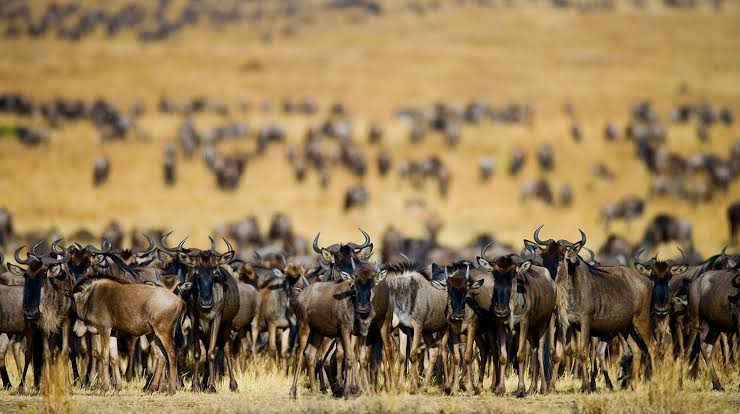
February is typically the peak calving month. This is an exciting time of year for wildlife photography and game viewing as newborn animals are attracting the attention of predators such as lions, cheetahs, leopards and hyenas.
Central Serengeti – Herd Movements
Between April and May, the herds generally begin moving northwards and westwards through the central Serengeti. This period is characterised by large columns of wildebeest crossing open plains and moving towards areas with fresh grazing.
The central Serengeti is also an excellent year-round wildlife destination, offering opportunities to see lions, leopards, elephants, giraffes and other animals.
Western Serengeti and Grumeti River
Around May to July, many herds move through the Western Corridor towards the Grumeti River. Some animals must cross the river as they continue their journey northwards. These crossings can be dramatic, with crocodiles inhabiting the river and predators waiting along the banks.
Northern Serengeti – Mara River Crossings
Between July and October, herds are often found in the northern Serengeti around Kogatende and the Mara River. This is one of the most sought-after periods for migration safaris because visitors may witness wildebeest attempting to cross the crocodile-inhabited river as they move between Tanzania and Kenya.
River crossings are unpredictable. The animals may gather along the riverbanks for hours or days before crossing, and their movements depend on weather, water levels and grazing conditions.
The Great Wildebeest Migration in Kenya
Maasai Mara National Reserve – The Famous River Crossings
Between July and October, large numbers of wildebeest often move into Kenya’s Maasai Mara, following fresh grazing across the border from northern Tanzania. This is the period when the reserve becomes one of the most popular destinations for migration safaris.
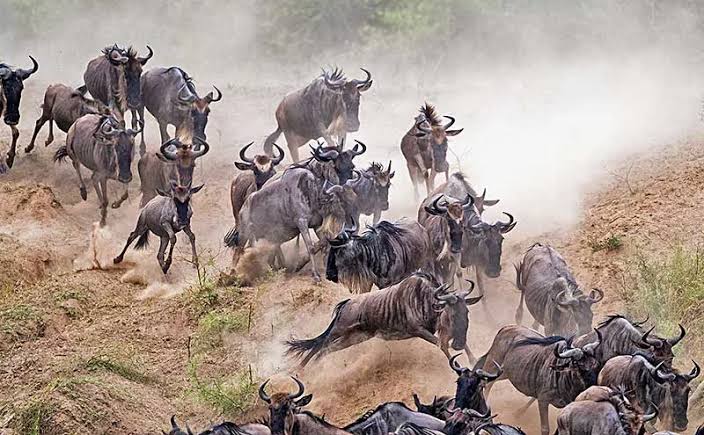
The Mara River crossings are among the most dramatic moments of the migration. Herds gather on the banks of the rivers before they begin to cross the water, where Nile crocodiles and strong currents make matters even more difficult. Zebras and gazelles also move through the ecosystem, while lions, cheetahs, leopards and hyenas take advantage of the abundance of prey.
The timing and location of crossings are unpredictable, so spending several days in the Mara improves your opportunities to witness this spectacle.
Mara Triangle – Excellent Wildlife Viewing
The Mara Triangle in the western section of the Maasai Mara ecosystem is another rewarding area for migration viewing. Herds of wildebeest, resident wildlife and predators are seen in the open grasslands, river systems and varied habitats.
Visitors can take morning and afternoon game drives, guided wildlife viewing and, where available, hot air balloon safaris.
Best Time to Experience the Great Migration
The best time depends on the type of migration experience you want.
- January to March: Ideal for witnessing wildebeest calving in the southern Serengeti and Ndutu plains.
- April to May: Suitable for seeing large herds moving across the central and western Serengeti.
- June to July: A good period to explore the Western Corridor and look for possible Grumeti River crossings.
- July to October: Popular for migration safaris in the northern Serengeti and Maasai Mara, particularly for the possibility of Mara River crossings.
For travellers whose main interest is witnessing the famous river crossings, July to September is a popular planning period. However, the migration is a natural event, not a scheduled performance, and no particular crossing can be guaranteed.
What to Expect on a Wildebeest Migration Safari
A Great Migration safari offers much more than watching wildebeest move across the plains. Visitors can experience:
- Large herds of wildebeest, zebras and gazelles.
- Dramatic river crossings when conditions allow.
- Lions, cheetahs, leopards and hyenas following the herds.
- Elephant and buffalo sightings across the savannah.
- Morning and afternoon game drives with experienced safari guides.
- Hot-air balloon safaris over selected areas of the Serengeti and Maasai Mara.
- Beautiful African sunrises and sunsets across open grasslands.
Photography enthusiasts particularly enjoy the migration because of the large wildlife gatherings, dramatic landscapes and opportunities to capture animal behaviour.
Kenya or Tanzania: Which Is Better for the Great Migration?
Both countries have awesome opportunities but the best destination will depend on the season and the experience you are looking for.
If you want to see the migration across more phases of its annual cycle, including the southern Serengeti calving season, central Serengeti movements, Grumeti River and northern Serengeti, then go for Tanzania.
If you want to see the Maasai Mara at its best, during the migration season when you can see huge herds and perhaps even a crossing of the Mara River, then choose Kenya.
For a more comprehensive experience combine northern Tanzania and Kenya in one safari. This offers you a chance to experience different parts of the Serengeti–Mara ecosystem and see the migration as it crosses international borders.
Frequently Asked Questions About the Great Wildebeest Migration
- What is the Great Wildebeest Migration?
It’s the annual migration of over a million wildebeest with zebras and gazelles across the Serengeti in Tanzania and Maasai Mara in Kenya in search of fresh grazing and water.
- When is the Great Migration in Kenya?
The migration is generally associated with the Maasai Mara between July and October, although arrival and departure dates vary depending on rainfall and grazing conditions.
- Where does the wildebeest migration start?
The main Serengeti – Mara migration cycle is from the southern Serengeti and Ndutu plains of Tanzania, where large herds congregate to calve before moving north and west.
- When is the wildebeest calving season?
Calving generally takes place between January and March, with February often being the peak period in the southern Serengeti.
- Where can I see the Mara River crossings?
The crossings can be observed in the northern Serengeti in Tanzania and the Maasai Mara in Kenya, depending on where the herds are moving.
- Are the river crossings guaranteed?
No. River crossings depend on natural animal movements, rainfall and river conditions. Visitors may wait for hours or days without witnessing a crossing.
- How many days do I need for a migration safari?
A safari of around 5–7 days is a useful starting point for exploring selected migration areas. Longer trips are recommended if you want to combine several regions in Kenya and Tanzania.
Experience the Great Wildebeest Migration with Pearl Nature Holidays
At Pearl Nature Holidays, we organise tailor-made Great Wildebeest Migration safaris in Kenya and Tanzania for travellers who want to experience one of Africa’s greatest wildlife spectacles.
Our safari experiences can include the Maasai Mara, Serengeti National Park, Ngorongoro Conservation Area and other destinations in northern Tanzania. Depending on your travel dates we help to choose best suitable migration areas, arrange accommodation, transport, park activities and experienced safari guides.
Whether you want to see the wildebeest calving in Ndutu, or see the dramatic Mara River crossings in Kenya, we can help plan a safari that suits your interests and travel schedule.
Contact Pearl Nature Holidays to organize your Kenya and Tanzania Great Wildebeest Migration safari.