Where can you see lemurs in Madagascar?
Andasibe-Mantadia National Park, Ranomafana National Park, Kirindy Forest, Anja Community Reserve, Isalo National Park and Lokobe National Park on Nosy Be are the best places to see Lemurs in Madagascar.
Every destination is a different wildlife experience. Andasibe is famous for its indri lemurs, Ranomafana has several species of bamboo lemur, Anja is a popular place for ring-tailed lemurs and Kirindy is known for its dry-forest wildlife and nocturnal species.
The best place to see lemurs depends on which lemurs you want to see, how much time you have and what regions are included in your itinerary for Madagascar. Lemurs inhabit a variety of habitats throughout the island, and wild sightings cannot be guaranteed.
Best places to see lemurs in Madagascar
| Destination | Region | Lemurs to look for | Best suited for |
|---|---|---|---|
| Andasibe-Mantadia National Park | Eastern Madagascar | Indri, diademed sifaka, common brown lemur | First-time visitors and rainforest wildlife |
| Ranomafana National Park | Southeastern Madagascar | Golden bamboo lemur, greater bamboo lemur, Milne-Edwards’ sifaka | Primate diversity and rainforest walks |
| Kirindy Forest | Western Madagascar | Verreaux’s sifaka, red-fronted brown lemur, mouse lemurs | Dry-forest wildlife and night walks |
| Anja Community Reserve | Southern Madagascar | Ring-tailed lemur | Close observation of ring-tailed lemurs |
| Isalo National Park | Southwestern Madagascar | Ring-tailed lemur, Verreaux’s sifaka | Combining wildlife with hiking and landscapes |
| Lokobe National Park | Nosy Be, northwestern Madagascar | Black lemur | Combining forest wildlife with a beach holiday |
Species sightings vary by season, trail, habitat and local conditions. A local guide can help visitors identify the species found in each reserve.
1. Andasibe-Mantadia National Park – Best for seeing indri lemurs
Andasibe-Mantadia National Park is one of the most accessible rainforest destinations for visitors arriving in Antananarivo. Located approximately 140–150 kilometres east of the capital, it can generally be reached in around three to four hours by road, depending on traffic and conditions.
The park is especially associated with the indri, the largest living lemur. Its distinctive calls can often be heard travelling through the forest in the morning.
Other lemurs found in the Andasibe area include diademed sifakas, common brown lemurs, grey bamboo lemurs and several nocturnal species.
Visitors can explore forest trails with local guides, learn about Madagascar’s endemic wildlife and, where permitted, join night walks in nearby reserves.
Best for: First-time visitors, rainforest wildlife and indri observation.
2. Ranomafana National Park – Best for bamboo lemurs
Ranomafana National Park in southeastern Madagascar protects a large area of tropical forest.It is one of the country’s recognised destinations for observing a variety of lemur species.
The park is particularly important for bamboo lemurs, including the golden bamboo lemur and greater bamboo lemur. Visitors may also look for Milne-Edwards’ sifaka, red-bellied lemurs and other rainforest wildlife.
Guided walks follow forest trails through steep terrain, with opportunities to observe birds, chameleons, frogs and native plant life.
Ranomafana is a rewarding place to visit if you are interested in biodiversity, but the condition of the forest and difficulty of the trails should be taken into account when planning a visit.
Best for: Wildlife enthusiasts, rainforest exploration and bamboo lemur conservation.
3. Kirindy Forest – Best for nocturnal lemurs
The Kirindy forest is a dry deciduous forest located north of Morondava in western Madagascar. Its habitat is quite different from the eastern rainforests, and it makes an interesting addition to a wildlife-focused itinerary.
The forest is home to species such as Verreaux’s sifaka and red-fronted brown lemurs. Nite walks with local guides to look for mouse lemurs and other nocturnal wildlife may also be available.
Kirindy is also known for the fossa, Madagascar’s largest native carnivorous mammal. Seeing one is not guaranteed, but the forest offers an opportunity to learn about the island’s unusual wildlife.
Kirindy is often combined with Morondava and the Avenue of the Baobabs.
Best for: Dry-forest wildlife, night walks and travellers exploring western Madagascar.
4. Anja Community Reserve – Best for ring-tailed lemurs
The Anja Community Reserve is located on the RN7 in south-central Madagascar, near the town of Ambalavao.
It is especially famous for its ring-tailed lemurs, whose black and white striped tails are well-known. They are frequently seen among the granite boulders and in the surrounding woodland of the reserve.
Anja is community-managed and your visit here is an opportunity to enjoy wildlife conservation that also supports local livelihoods.
Visitors can enjoy guided tours led by local guides and learn about the wildlife, vegetation and community conservation activities.
Best for: Ring-tailed lemurs and community-based tourism.
5. Isalo National Park – Best for combining lemurs and hiking
Isalo National Park in southwestern Madagascar, with its sandstone formations, canyons, natural pools and open landscapes.
Hiking and scenery are the usual associations with the park, but there are also opportunities to look for lemurs. Visitors can see ring-tailed lemurs and Verreaux’s sifakas.
Guided walks can combine wildlife spotting with visits to natural pools and viewpoints. Excursions can be tailored to fitness levels and time availability, with walking routes ranging in length and terrain.
Best for: Travelers who want to combine lemur watching, hiking and Madagascar’s unique landscapes.
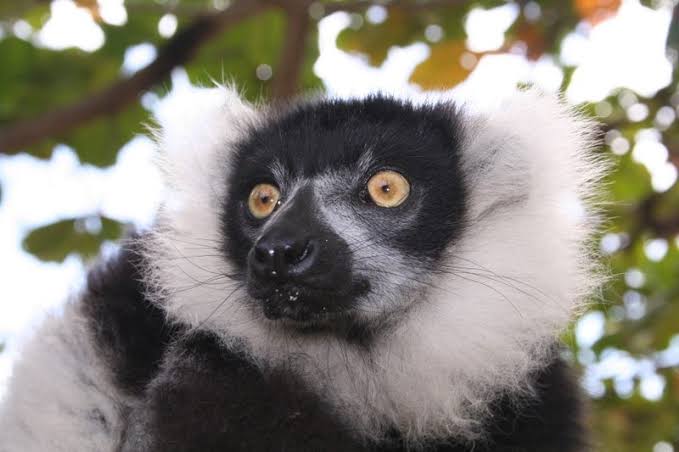
6. Lokobe National Park – Best for lemurs on Nosy Be
Lokobe National Park protects one of the remaining areas of natural forest on Nosy Be, an island off Madagascar’s northwestern coast.
The forest is known for the black lemur, alongside chameleons, reptiles, birds and other native wildlife. Visitors can take a tour with local guides to learn about the island’s forest ecosystem.
For travelers looking for more than just the coastline, Lokobe can be a useful addition to a Nosy Be beach holiday.
Best for: If you want to combine forest wildlife with a tropical island holiday.
How to plan a lemur safari in Madagascar
Madagascar’s wildlife hotspots are spread across different areas, so the choice of route is key. Travelling between some parks can take considerably longer than expected, particularly where road conditions are challenging.
For a shorter wildlife-focused holiday, Andasibe is a practical starting point from Antananarivo. Travellers with more time can combine eastern rainforest destinations with southern or western reserves.
A longer itinerary may include:
-
Eastern route: Antananarivo and Andasibe-Mantadia.
-
Southern route: Ranomafana, Anja Community Reserve and Isalo.
-
Western route: Morondava, Kirindy Forest and the Avenue of the Baobabs.
-
Northern route: Nosy Be and Lokobe National Park.
These routes are best planned according to available travel days, road conditions and domestic flight schedules. Trying to visit every region in a short holiday can make the journey rushed.
At Pearl Nature Holidays, we recommend choosing destinations around the wildlife experience you value most, rather than simply trying to visit as many parks as possible.
Internal link placement 6: Link “Madagascar safari holidays” to your Madagascar destination or safari packages page once its live URL has been confirmed.
Frequently asked questions about seeing lemurs in Madagascar
Where is the best place to see lemurs in Madagascar?
Andasibe-Mantadia is a top destination for travelers hoping to see indri lemurs. The Anja Community Reserve is famous for ring-tailed lemurs whereas Ranomafana and Kirindy offer varied rainforest and dry-forest wildlife experiences.
Where can I see indri lemurs in Madagascar?
One of the best places to try and see indri lemurs in the wild in Madagascar is Andasibe-Mantadia National Park, in the Analamazaotra sector.
Can you see ring-tailed lemurs in Madagascar?
Yes. Anja Community Reserve and Isalo National Park are places where visitors can see ring-tailed lemurs in the wild.
What is the best time to see lemurs in Madagascar?
The generally drier period from April to October is often convenient for travel and walking in many regions. However, conditions differ across the island, and lemurs can be observed throughout the year. The best time also depends on the parks and species that are part of your itinerary.
Are lemurs found outside Madagascar?
All naturally occurring wild lemur species are native to Madagascar. They are found in different habitats across the island, including rainforests, dry forests and spiny forests.
Can I see lemurs and other wildlife on one Madagascar safari?
Yes. Depending on your route, you can combine lemur observation with opportunities to see chameleons, birds, reptiles and the fossa, as well as visit Madagascar’s beaches, baobab landscapes and national parks.
Plan your Madagascar lemur safari with Pearl Nature Holidays.
Madagascar offers a remarkable range of wildlife experiences, from the calls of indri lemurs in eastern rainforests to ring-tailed lemurs among the granite landscapes of the south.
Pearl Nature Holidays can help you plan a Madagascar safari around your interests, travel dates and preferred destinations. Whether you want a focused lemur-watching holiday or a wider Madagascar journey combining wildlife, scenery and beaches, the itinerary can be planned around the time you have available.