Samburu National Reserve Kenya
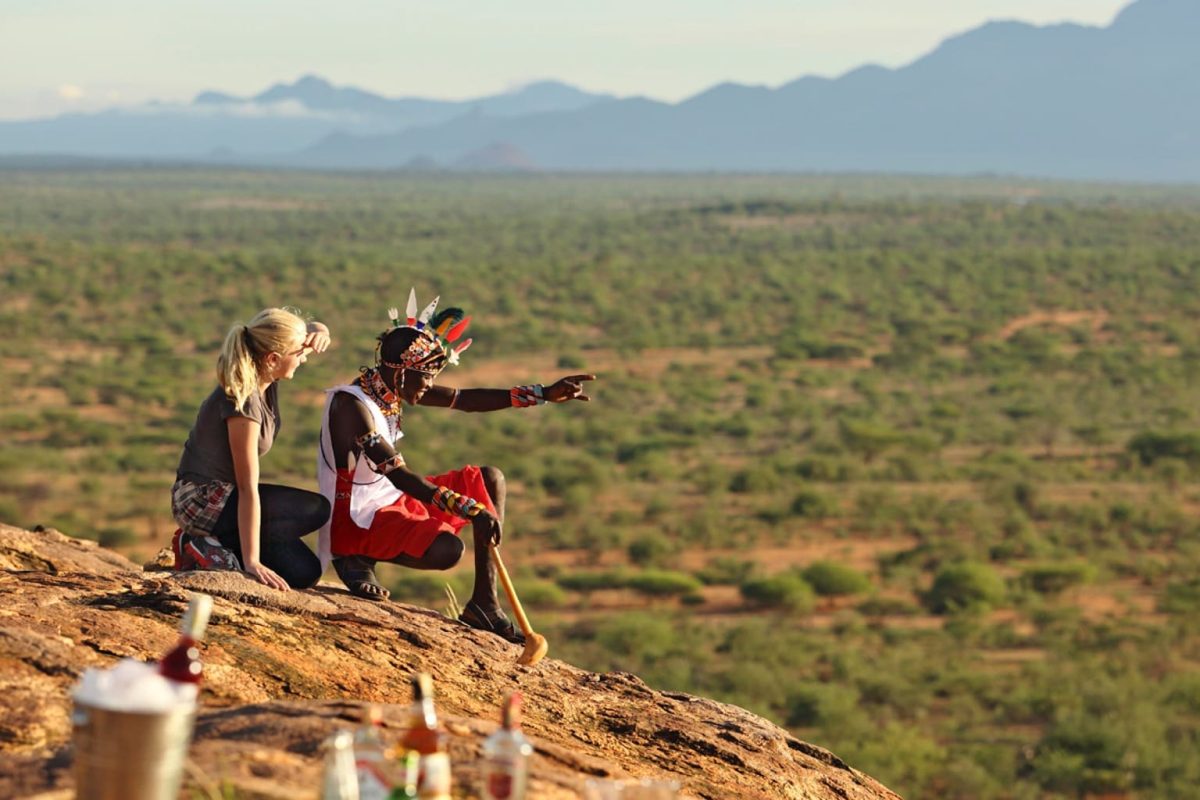
A safari in Samburu National Reserve is unlike a safari in the southern parks of Kenya. The landscape is drier and more rugged with rocky hills, open savannah, scattered acacia trees and doum palms along the riverbanks. Elephants are often seen in groups by the water with strange species of wildlife on the surrounding plains.
Samburu National Reserve is located in northern Kenya. It is most well known for its unique wildlife including the five species often called the Samburu Special Five. These include the Grevy’s zebra, reticulated giraffe, gerenuk, Beisa oryx and Somali ostrich.
The reserve is also an excellent destination for travellers interested in photography, birdwatching and cultural experiences. If you are looking to experience a different side of Kenya than the Masai Mara and Amboseli, Samburu is a must-see.
Where Is Samburu National Reserve Located?
Samburu National Reserve is in Samburu County, northern Kenya, 320 – 350 kilometres north of Nairobi. It is situated along the Ewaso Nyiro River, which is an important source of water for wildlife and nearby communities.
The reserve covers about 165 square kilometres and is part of a larger conservation landscape which also includes Buffalo Springs and Shaba National Reserves. The protected areas collectively provide a range of habitats and wildlife viewing opportunities.
How to Get to Samburu National Reserve
The majority of visitors travel by road from Nairobi to Samburu. The journey takes about six to seven hours depending on traffic, road conditions and where you are staying.
Alternatively, you may fly by scheduled or charter flight from Nairobi to an airstrip serving the Samburu region. This is a good option if you’re short on time or don’t want to take a long road trip.
Once you arrive, your safari vehicle or lodge transfer can take you to your accommodation and arrange game drives around the reserve.
Top Attractions in Samburu National Reserve
The Samburu Special Five: These five northern Kenya species are among the main reasons travellers visit Samburu. They include the Grevy’s zebra, reticulated giraffe, gerenuk, Beisa oryx and Somali ostrich. What makes them interesting to watch is their ability to adapt to dry environments.
Ewaso Nyiro River: This river is the lifeblood of the Samburu. It has elephants, crocodiles, hippos and many species of birds. The green riverbanks make a lovely contrast with the dry surroundings too.
Elephant Herds: Samburu is famous for its elephants, often seen travelling along the river and through the plains. It is also important for elephant research and conservation in the region.
Koitogor and Ol Donyo Kuroi Hills: Rocky hills that give character to the scenery of the reserve, and provide beautiful views of the surrounding wilderness.
Buffalo Springs National Reserve Buffalo Springs lies on the other side of the Ewaso Nyiro River and offers another opportunity to explore the wildlife and scenery of northern Kenya.
Things to Do in Samburu National Reserve
Game drives are the main activity in Samburu. Morning and afternoon excursions offer opportunities to look for elephants, lions, leopards, cheetahs, giraffes, zebras and the Samburu Special Five.
Birdwatching is another rewarding experience, with a variety of dry-country and riverine bird species. Wildlife photography is particularly popular because of the reserve’s distinctive animals and contrasting landscapes.
Visitors can also arrange cultural experiences with local Samburu communities to learn about traditional lifestyles, beadwork, clothing and pastoral traditions. Guided nature walks may be available in neighbouring conservancies where authorised guides operate.
Best Time to Visit Samburu National Reserve
Samburu is a year-round safari destination, but wildlife viewing conditions change with the seasons.
June to October is generally one of the best periods for game viewing. The weather is mostly dry, vegetation is thinner and animals often gather near the Ewaso Nyiro River.
January to February is another good period, with relatively dry conditions and opportunities to see wildlife around water sources.
March to May brings the long rains. The landscape becomes greener, birdwatching can be rewarding and some roads may become difficult to navigate.
November to December usually brings shorter rains, creating fresh scenery and good opportunities for birdwatching.
For the best overall wildlife-viewing conditions, June to October is a popular choice.
Plan Your Samburu Safari with Pearl Nature Holidays
Samburu offers a wonderful opportunity to discover Kenya’s northern wildlife and landscapes. You can combine it with Buffalo Springs and Shaba National Reserves or extend your journey to include the Masai Mara, Amboseli or other destinations in Kenya.
Get in touch to arrange your Samburu safari and experience the distinctive wildlife and culture of northern Kenya.
Frequently asked questions
- Where is Samburu National Reserve located?
Samburu National Reserve is in Samburu County in northern Kenya, approximately 320–350 kilometres from Nairobi, along the Ewaso Nyiro River.
- What is Samburu National Reserve famous for?
Samburu is famous for its Samburu Special Five, large herds of Elephant, unique Northern Kenya wildlife, beautiful landscapes and the river Ewaso Nyiro.
- What are the Samburu Special Five?
The Samburu Special Five are the Grevy’s zebra, reticulated giraffe, gerenuk, Beisa oryx and Somali ostrich. Five of these species are most commonly found in the dry northern Kenyan landscapes.
- What animals can you see in Samburu?
Visitors may see elephants, lions, leopards, cheetahs, Grevy’s zebras, reticulated giraffes, gerenuks, Beisa oryx, buffaloes and many bird species.
- How many days do you need in Samburu National Reserve?
Two to three days is a good starting point for a Samburu safari. This allows time for several game drives, wildlife photography and a cultural experience.
- What is the best time to visit Samburu National Reserve?
June to October is generally a popular period for wildlife viewing because of the dry conditions. January and February are also good months for a safari.
- Can you combine Samburu with the Masai Mara?
Yes, Samburu and the Masai Mara combine well for a rewarding Kenya safari. Samburu has its own unique northern wildlife whilst the Masai Mara is known for its big cats and the Great Wildebeest Migration.