Nairobi National Park, Kenya
Imagine lions, giraffes and rhinos with a contemporary city’s buildings in the background. And this is what makes Nairobi National Park one of the weirdest safari destinations in Kenya. The park is located just outside the city center of Nairobi, so you can see African wildlife without traveling too far from the capital.
Nairobi National Park, Kenya’s first national park, was established in 1946. Known for its open grasslands, acacia woodlands, and diverse birdlife and its important rhino conservation program. Visitors can take game drives, spotting animals against the backdrop of Nairobi’s skyline.
The park is particularly convenient for travellers with a few hours to spare before a flight, visitors on a city break and anyone beginning or ending a longer Kenya safari.
Where Is Nairobi National Park Located?
Nairobi National Park is located in Nairobi County, approximately 8–10 kilometres from Nairobi’s central business district. It lies south of the city and covers approximately 117 square kilometres.
The park features open savannah, riverine habitats, rocky valleys and wooded areas.Its southern boundary abuts the wider Athi-Kapiti landscape, allowing wildlife to move between protected and surrounding areas.
How to Get to Nairobi National Park
The park is easily accessible by road from Nairobi. The main entrance is along Lang’ata Road, while other access points serve different parts of the park.
Visitors arriving by air can reach the park from Jomo Kenyatta International Airport or Wilson Airport and continue by road. The journey time depends on traffic and the entrance being used.
For those who do not know the roads of the park, a guided game drive or private safari vehicle is a convenient way to explore the park.
Top Attractions in Nairobi National Park
Nairobi National Park has a sizable rhino sanctuary. The park is a sanctuary for endangered black and white rhinos. Visitors have a good chance to see these amazing animals in their natural environment.
Nairobi Skyline Views: The park’s juxtaposition of wildlife and the modern city is one of the park’s most unique features. You can photograph giraffes, zebras and other animals with Nairobi’s buildings in the background.
The Big Four: The park supports lions, leopards, buffaloes and rhinos. It is often described as a Big Four destination because elephants are not resident in the park.
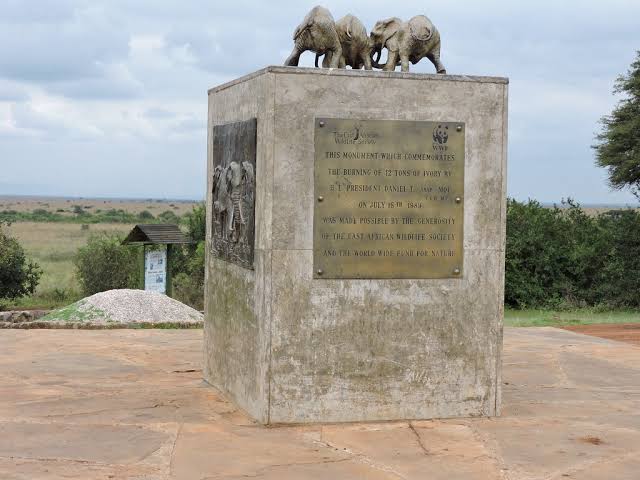
Ivory Burning Site Monument: This is a historical site that marks the place where Kenya’s famous ivory burning took place in 1989, where the country burned a large stockpile of ivory publicly to show its opposition to the ivory trade.
Hippo Pools: Situated on the banks of the Mbagathi River, here you can explore the riverine environment of the park and look for hippos, crocodiles and birdlife.
Birdlife: With over 400 species of birds recorded in the park, it is a rewarding destination for birdwatchers.
Things to Do in Nairobi National Park
The main activity in Nairobi National Park is wildlife viewing. You can take morning and afternoon excursions in search of lions, rhinos, giraffes, zebras, buffaloes, cheetahs and other wildlife.
Birdwatching is another popular activity and both resident and migratory birds are attracted to the park’s grasslands, wetlands and riverine habitats.
Other things visitors can do include wildlife photography, picnicking at designated sites and visiting historical attractions such as the Ivory Burning Site Monument. Guided nature walks and other outdoor experiences may be available in designated areas.
Best Time to Visit Nairobi National Park
Nairobi National Park can be visited throughout the year, but wildlife-viewing conditions vary with the seasons.
June to October is generally a good period for game viewing. Drier conditions and shorter grass can make it easier to see animals.
January to February is another favourable period, with relatively dry weather and good opportunities for wildlife photography.
March to May brings the long rains. The park becomes greener, birdwatching can be rewarding and some tracks may become muddy.
November to December usually brings shorter rains, creating fresh scenery and attracting different bird species.
For a general wildlife safari, the drier months are a popular choice. Early morning game drives are particularly rewarding because wildlife is often more active during the cooler hours.
Plan Your Nairobi National Park Safari with Pearl Nature Holidays
Nairobi National Park is a convenient introduction to Kenya’s wildlife and an excellent stop for travellers arriving in or departing from Nairobi. You can enjoy a short safari before continuing to the Masai Mara, Amboseli, Lake Nakuru or Ol Pejeta Conservancy.
At Pearl Nature Holidays, we help travellers plan African safari holidays across Kenya, Uganda, Rwanda, Tanzania, Zanzibar and Madagascar. Contact us to include Nairobi National Park in your Kenya safari itinerary.
Frequently asked questions
- Where is Nairobi National Park located?
Nairobi National Park is in Nairobi County, approximately 8–10 kilometres from Nairobi’s central business district in Kenya.
- What is Nairobi National Park famous for?
The park is famous for its wildlife against the backdrop of Nairobi’s skyline, its black and white rhino sanctuary, lions, giraffes, birdlife and convenient location near the city.
- Can you see the Big Five in Nairobi National Park?
You can see four of the Big Five: lions, leopards, buffaloes and rhinos. Elephants are not resident in the park, so it is commonly described as a Big Four safari destination.
- How many hours do you need for Nairobi National Park?
A half-day game drive of approximately four to five hours is a good starting point. A full-day visit allows more time to explore the park and its different habitats.
- Can you see rhinos in Nairobi National Park?
“Yes. Nairobi National Park is an important sanctuary for both black and white rhino. Depending on the conditions when you visit & how the animals are moving you may see them.
- What is the best time to visit Nairobi National Park?
June to October and January to February are generally favourable for wildlife viewing because of the drier conditions and shorter grass. The park is open to visitors throughout the year.
- Can you visit Nairobi National Park during a layover?
Yes, you can fit a safari into a long enough Nairobi stopover. Allow time for airport transfers, park entry, the game drive and return to airport. You should plan with traffic and flight schedules in mind.
- Can you combine Nairobi National Park with the Masai Mara?
Yes. Nairobi National Park can be visited at the beginning or end of a longer Kenya safari that includes the Masai Mara, Amboseli, Lake Nakuru or other destinations. A half-day safari is often enough to enjoy the main wildlife-viewing experience, although a full day allows more time to explore different sections of the park.