Kilimanjaro National Park Tanzania
The Kilimanjaro National Park, which is home to Mount Kilimanjaro, Africa’s highest mountain at 5,895 metres above sea level, is one of the most popular natural attractions in Tanzania. This mountain is known as the Roof of Africa and is admired by climbers from all over the world for its spectacular landscapes and the attempt to reach Uhuru Peak.
The park is also noted for its vegetation zones, mountain forests, glaciers and unique wildlife. If you want to summit, explore the forest or view the mountain, Kilimanjaro in Northern Tanzania will give you a memorable experience.
Where Is Kilimanjaro National Park Located?
Kilimanjaro National Park is located in north-eastern Tanzania, near the border with Kenya. It is close to Moshi town in the Kilimanjaro Region. Arusha is also a key starting point for visitors.
The park protects Mount Kilimanjaro and the surrounding mountain environment. The mountain has three main volcanic peaks, Kibo, Mawenzi and Shira. Kibo is the highest and contains Uhuru Peak, the highest point in Africa.
How to Get to Kilimanjaro National Park
Visitors can reach Kilimanjaro National Park by air and road.
By Air: The main international port of entry is Kilimanjaro International Airport which is located some 40 kilometres from Moshi. Alternatively, travellers can arrive at Arusha Airport and arrange their own road transport.
By road: Moshi is the starting point for all the different entrance gates to the mountain depending on the climbing route you have chosen. Common access points include Marangu Gate, Machame Gate and Londorossi Gate. Transfers are usually arranged by the trekking operator.
All mountain climbs must be organised through a licensed tour operator with qualified mountain guides.
Top Attractions in Kilimanjaro National Park
Uhuru Peak is the highest point in Africa at 5,895 metres and the ultimate destination for climbers attempting to summit Mount Kilimanjaro.
Kibo Peak: The highest and the summit of the three volcanic cones of the mountain. It has glaciers, snow and volcanic features in its high-altitude terrain.
Mawenzi Peak: This jagged peak rises to 5,149 metres and is known for its dramatic rock formations and tough terrain.
Shira Plateau: This plateau is the remnant of an ancient volcanic structure and has lovely mountain scenery, open landscapes and views of the surrounding plains.
Montane forests: Montane forests are found on the lower slopes and host colobus monkeys, blue monkeys, forest birds and other wildlife.
Kilimanjaro glaciers: The mountain’s remaining ice fields and glaciers are one of the mountain’s most distinctive natural features, but they too are shrinking over time.
Activities in Kilimanjaro National Park
Visitors can enjoy several mountain and nature experiences including:
- Mountain climbing to Uhuru Peak.
- Hiking and nature walks in the forest zone.
- Mountain biking along designated routes.
- Exploring the Shira Plateau.
- Birdwatching and wildlife photography.
- Paragliding, subject to park regulations and authorisation.
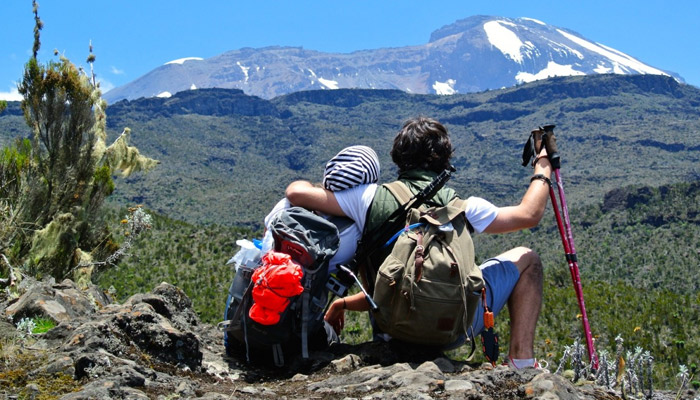
The time it takes to climb Mount Kilimanjaro varies depending on the route and itinerary, but typically takes five to nine days or more. The most popular routes are Machame, Marangu, Lemosho, Rongai and Northern Circuit. It is important to choose an itinerary which allows for adequate acclimatisation when planning the climb.
Best Time to Visit Kilimanjaro National Park
Kilimanjaro can be visited throughout the year, but weather conditions affect climbing and visibility.
- January to March: Generally a good period for climbing, with relatively clear conditions at certain times.
- June to October: Weather is generally drier and mountain visibility is good. One of the more popular climbing seasons
- November – December: There can be short rains but with good preparation it is still possible to climb.
- April to May: The long rainy season, wetter trails, cloud cover and more difficult climbing conditions.
June to October and January to March are the most popular times for most climbers. But weather conditions can change quickly in the mountains, so it is important to dress right, be prepared and choose a suitable route.
Plan a Kilimanjaro Adventure with Pearl Nature Holidays
Scaling Mount Kilimanjaro provides an unforgettable experience of Tanzania’s natural beauty. You can also combine the adventure with a wildlife safari in Serengeti National Park, Ngorongoro Conservation Area, Tarangire National Park or Lake Manyara National Park.
Pearl Nature Holidays can organise a Tanzania holiday combining mountain trekking and wildlife experiences depending on your travel dates, fitness level and preferred itinerary.
Frequently asked questions
- Where is Kilimanjaro National Park located?
Mount Kilimanjaro National Park in northeast Tanzania near Moshi and the border of Kenya.
- What is Kilimanjaro National Park famous for?
It is famous for Mount Kilimanjaro, Africa’s highest mountain, its three volcanic peaks, mountain forests and the chance to climb to Uhuru Peak.
- How high is Mount Kilimanjaro?
It is also the highest mountain in Africa at 5,895 m (19,341 ft) above sea-level.
- How many days does it take to climb Mount Kilimanjaro?
Most climbing itineraries take between five and nine days or longer, depending on the route. Longer itineraries allow more time for acclimatisation.
- What is the best time to climb Mount Kilimanjaro?
The best time to climb is between January and March and June to October when the weather is usually drier and visibility is better.
- Can you visit Kilimanjaro National Park without climbing to the summit?
Yes. Visitors can enjoy forest walks, mountain scenery, cycling on designated routes and visits to areas such as the Shira Plateau without attempting the summit.
- Is climbing Mount Kilimanjaro difficult?
Climbing Kilimanjaro is physically challenging because of the high altitude, the cold weather and the long hiking days. A slow rise and good preparation are important. Good adaptation.