Île Sainte-Marie (Nosy Boraha), Madagascar: Beaches, Whales and Best Time to Visit
Île Sainte-Marie or Nosy Boraha is a beautiful tropical island off the coast of Madagascar in the East. It is known for its palm fringed beaches, turquoise waters, traditional fishing villages and rich history. The island is particularly famous for the humpback whales that visit its surrounding waters every year.
Unlike some of Madagascar’s busier beach spots, Sainte-Marie has a laid-back island vibe. Whale-watching, snorkeling, diving, a coastal walk or visits to nearby islands are all available for visitors. The interesting pirate history adds a further dimension to the experience and makes it an attractive destination for travelers interested in culture, nature and beach holidays.
Where Is Île Sainte-Marie Located?
Île Sainte-Marie is situated off the eastern coast of Madagascar, in the Analanjirofo Region, across from the mainland near Soanierana-Ivongo. It is also known by its Malagasy name, Nosy Boraha.
The island is approximately 50 kilometers long and is characterized by tropical vegetation, sandy beaches, coral reefs, lagoons and small fishing villages. Its main town, Ambodifotatra, is the centre of local commerce and transport.
How to Get to Île Sainte-Marie
Visitors can reach Île Sainte-Marie by domestic flight from Antananarivo, depending on airline schedules, or by boat from Soanierana-Ivongo on the mainland.
The boat journey requires a transfer to the coastal departure point before crossing to the island. Sea conditions can affect ferry operations so it is advisable to confirm schedules and allow flexibility in your travel plans.
Once on the island, visitors can travel around by tuk-tuk, taxi, bicycle, private car or organized tour.
Top Attractions in Île Sainte-Marie
Île aux Nattes: Île aux Nattes is a small island near the southern tip of Sainte-Marie that’s known for its white-sand beaches and clear water, as well as its tranquility. Excellent for swimming, sunbathing on the beach and short boat rides.
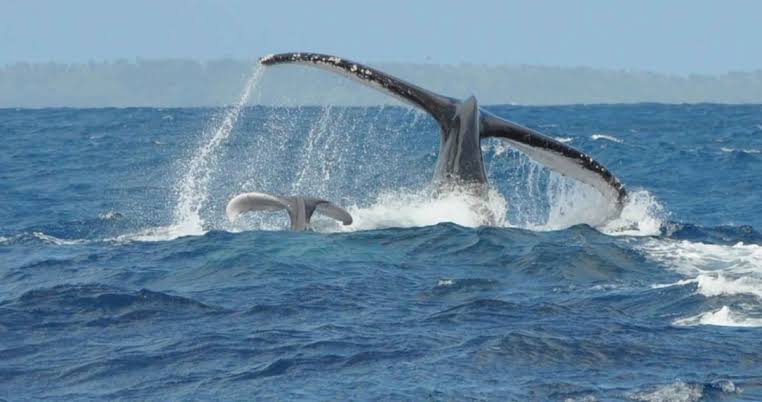
Humpback Whale Watching: One of the island’s biggest attractions is the annual arrival of the humpback whales. Marine mammals migrate to the warm waters of Madagascar to breed and give birth between around June and September. You can see them in the wild by taking boat trips and doing so responsibly.
Pirate Cemetery: The historic pirate cemetery near Ambodifotatra is a reminder of Sainte-Marie’s role as a haven for pirates who frequented the Indian Ocean during the 17th and 18th centuries.
Ambodifotatra The main town on the island is a chance to explore local markets, traditional buildings, fishing activities and everyday Malagasy island life.
Îlot Madame: This is a small island near Ambodifotatra which is historically important and is connected to the heritage of Queen Betty. It’s an interesting cultural stop while on the island.
Antanandava Falls and Ikalalao Forest Nature lovers will find the island’s green interior with forest trails, waterfalls and opportunities to see local plants and wildlife.
Things to Do in Île Sainte-Marie
Visitors can enjoy whale watching excursions, snorkeling, scuba diving, swimming, kayaking and boat trips around the island. Guided walks are available to explore tropical vegetation, local villages and scenic coastal paths.
Other experiences include a visit to the pirate cemetery, a walk around Ile aux Nattes, fresh seafood and cycling around the countryside and photographing the island’s beaches and fishing boats.
Whale-watching trips should be booked with responsible operators who follow wildlife observation guidelines and maintain a safe distance from the animals.
Best Time to Visit Île Sainte-Marie
April to November is generally a favorable period to explore Île Sainte-Marie, although weather conditions can vary along Madagascar’s eastern coast.
June to September is particularly popular because it coincides with the humpback whale season. Whale-watching trips in July and August are particularly famous.
The wet season normally runs from November to April with increased rainfall and a higher chance of cyclones, especially from January to March. Local weather conditions can affect boat transfers and excursions so check before you travel.
Explore Île Sainte-Marie with Pearl Nature Holidays
Île Sainte-Marie is an excellent destination for travellers seeking a combination of beach relaxation, marine wildlife and cultural experiences. You can combine it with Andasibe-Mantadia National Park, other eastern Madagascar destinations or a wider island holiday.
Contact Pearl Nature Holidays to plan your Madagascar holiday and discover the beaches, wildlife and history of Nosy Boraha.
FAQs
- Where is Île Sainte-Marie located?
Île Sainte-Marie also known as Nosy Boraha is an island off Madagascar’s eastern coast in the Analanjirofo Region. - What is Île Sainte-Marie famous for?
The island is known for humpback whale watching, beautiful beaches, reefs of coral, Île aux Nattes and its history with pirates from the Indian Ocean. - When is the best time to see whales in Île Sainte-Marie?
Humpback whale watching is usually best from June to September but is dependent on migration and seasonal conditions. - How do you get to Île Sainte-Marie?
From Antananarivo you can take a domestic flight to the island, or a boat from Soanierana-Ivongo on mainland Madagascar. - What can you do on Île Sainte-Marie?
Whale-watching, snorkelling, diving, swimming and exploring Île aux Nattes, the pirate cemetery and the local fishing villages are popular activities. - How many days should you spend on Île Sainte-Marie?
Four to six days is a nice amount of time to enjoy the beaches, take a whale-watching excursion during the season, explore nearby islands and learn about the island’s history. - Can Île Sainte-Marie be combined with other Madagascar destinations?
Yes. Can be combined with Andasibe-Mantadia National Park and other destinations in eastern Madagascar. Allow enough time for road and boat transfers.