When is the best time to see lemurs in Madagascar?
The best time is typically April to October in the drier months, when many popular wildlife destinations are easier to explore and forest trails are often more accessible.
Lemurs however can be observed all year round. The decision of when to travel depends on the species you want to see, the region you want to visit and the type of wildlife experience you want.
Madagascar has two main seasons:
-
Dry season: April to October – usually cooler and drier with better conditions for many wildlife excursions.
-
Rainy season: November to March – generally warmer and wetter, more rain in some areas, potential travel disruptions.
These are broad seasonal patterns, not fixed conditions across the entire island. Eastern Madagascar receives more rainfall than much of the west and southwest, so choosing the right destination is just as important as choosing the month.
Best months for lemur watching in Madagascar
For many travellers, May to October offers a good balance of weather and wildlife exploration. June to September is particularly popular for itineraries that include several parks.
| Month | General conditions | Wildlife travel advice |
|---|---|---|
| January | Hot and rainy in many regions | Plan carefully around rainfall and possible travel disruption |
| February | Rainy season continues | Check park access and road conditions before travelling |
| March | Rainfall may begin easing in some areas | A possible quieter travel period, depending on the route |
| April | Transition towards drier conditions | A useful month for starting wildlife itineraries |
| May | Generally drier and cooler | Good conditions for many park visits |
| June | Dry-season conditions in many regions | Popular for rainforest and dry-forest excursions |
| July | Cooler and generally dry | Suitable for multi-park wildlife itineraries |
| August | Generally dry, with cool mornings | A popular month for wildlife and outdoor activities |
| September | Dry-season conditions continue | A good period for combining several wildlife destinations |
| October | Warmer conditions return in many areas | Useful for wildlife trips before the wetter season develops |
| November | Rain begins returning in some regions | Regional conditions become more variable |
| December | Warmer and increasingly wet in many areas | Check access, rainfall and seasonal travel conditions |
Weather can vary from one year to another. This table is a general planning guide, not a guarantee of conditions or animal sightings.
Best time to visit Madagascar’s main lemur destinations
Different lemur habitats experience different weather patterns. So the best travel dates depend on which forests and regions you want to include.
1. Andasibe-Mantadia National Park
Best general travel period: April to October.
Andasibe-Mantadia is in eastern Madagascar, a region known for high rainfall and humid rainforest conditions.
The drier months are often more convenient for walking forest trails and combining wildlife excursions with road travel from Antananarivo.
Visitors may look for indri, diademed sifakas and other rainforest lemurs throughout the year. Rainforest conditions remain variable, so rain is possible even during the drier period.
Travel tip: Allow enough time for guided forest walks rather than trying to visit Andasibe as a rushed day trip.
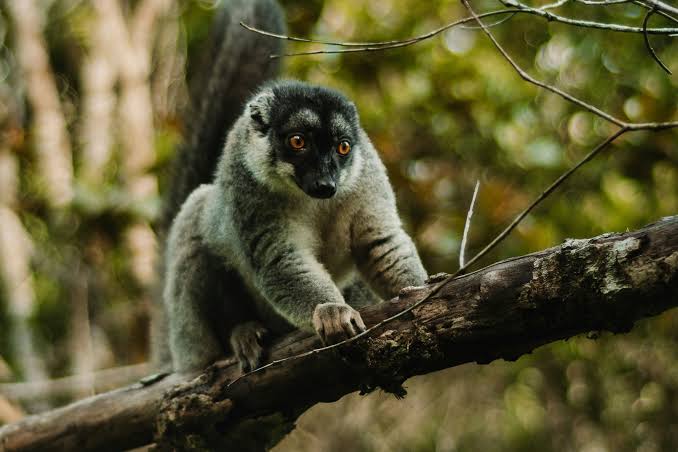
2. Ranomafana National Park
Best general travel period: April to October.
Ranomafana protects a large area of southeastern rainforest and is known for its bamboo lemurs and other endemic wildlife.
The drier months may make hiking more manageable, but the park is a humid rainforest environment so visitors should be prepared for wet conditions at any time of year.
Travel tip: When traveling during or right after heavy rains, select suitable walking routes with a local guide.
3. Kirindy Forest
Best general travel period: May to October.
Kirindy Forest is a dry deciduous forest in western Madagascar. Its seasonal conditions differ from those of the eastern rainforest.
The dry months generally provide more convenient access and opportunities for forest walks. Guided night walks are particularly interesting for visitors hoping to look for nocturnal lemurs, including mouse lemurs.
The forest is also known for the fossa and several other native wildlife species.
Travel tip: Combine Kirindy with Morondava and the Avenue of the Baobabs to make the most of a western Madagascar journey.
4. Anja Community Reserve
Best general travel period: April to October.
Anja Community Reserve, near Ambalavao, is particularly well known for ring-tailed lemurs.
It’s often more enjoyable to hike its trails and rocky terrain during the drier months. Visitors can look for lemurs in their natural habitat, learning about local conservation and community-led tourism.
Travel tip Anja is a useful stop on a southern Madagascar route, particularly when traveling between Ranomafana and Isalo.
5. Isalo National Park
Best general travel period: April to October.
Isalo is famous for sandstone formations, canyons, natural pools and hiking trails. It also offers opportunities to look for ring-tailed lemurs and Verreaux’s sifakas.
In general the long walks and outdoor activities are better in the drier months. You can get out early in the morning, which is more comfortable in hotter periods.
Travel tip: Allow time for wildlife watching and scenic walks in Isalo National Park.
6. Lokobe National Park, Nosy Be
Best general travel period: May to October.
Lokobe protects native forest on Nosy Be, northwest Madagascar. Visitors can join a guided tour of the forest and try to spot black lemurs and other native wildlife.
If you want to combine forest excursions with beach activities the best time to visit Nosy Be is during the drier months.
Travel tip: if wildlife is your main interest then book a guided forest visit instead of a whole holiday at the beach.
Is the rainy season a good time to see lemurs?
Yes. The rainy season does not signal the end of lemur watching. Lemurs are found in the wild all year round, and some travelers may prefer to visit during the greener months.
But there are real differences.
Possible advantages:
-
Forest landscapes are green and lush.
-
Some destinations might be less visited.
-
Rain forest environments can be very lively.
-
Wildlife experiences remain possible with suitable planning.
Possible disadvantages:
-
Forest paths can get slick after a lot of rain.
-
Some unpaved roads may become hard to travel upon.
-
Transfers between destinations could take longer.
-
Travel can be disrupted by cyclones and bad weather, especially at the height of the rainy season.
If traveling between November and March, build flexibility into your itinerary and check local conditions before you leave.
Can you see baby lemurs in Madagascar?
Some lemur species are seasonal breeders and some species give birth around September and October. In Kirindy, for example, red-fronted lemur studies have recorded births in this timeframe.
Breeding seasons vary between species and locations. Seeing a baby lemur is not guarantyd and visitors should observe wildlife responsibly, without getting too close to nests or disturbing animals.
If you’re interested in young lemurs to further your wildlife interests, consult a knowledgeable local guide about your preferred species and travel dates before booking.
What is the best month for a Madagascar lemur safari?
For many first-time visitors, September and October are attractive months because they can offer generally favourable travel conditions while falling towards the end of the drier season.
Other months can also work well:
-
May and June: Useful for travellers who prefer cooler, generally drier conditions.
-
July and August: Popular for multi-destination wildlife itineraries, although some areas can be cool in the mornings.
-
September and October: Good months to consider for combining several regions and wildlife experiences.
-
April and November : Transition months that may be good for flexible planning.
The best month depends on your preferred destinations, the road conditions, the flights you can get and the wildlife you hope to see.
How long should you spend on a lemur safari in Madagascar?
Depends on how many regions you want to explore.
-
4–5 days: A short trip to Andasibe and nearby rainforest reserves.
-
7-10 days: A more varied wildlife holiday combining destinations such as Andasibe and Ranomafana
-
10–14 days or more: This allows for more flexibility to include eastern, southern or western Madagascar depending on transport arrangements.
Madagascar is a large island and traveling between parks can take longer than anticipated. Avoid planning too many destinations into a short itinerary.
Frequently asked questions about the best time to see lemurs in Madagascar
Can you see lemurs in Madagascar all year?
Yes. Lemurs live in Madagascar throughout the year. The dry season is generally more convenient for many wildlife itineraries, but guided wildlife experiences are possible during the rainy season too.
What is the best month to see lemurs in Madagascar?
September and October are attractive months for many travellers because they fall towards the end of the generally drier season. However, May to August can also offer favourable conditions, depending on the destination.
Is April a good time to visit Madagascar for lemurs?
April can be a useful transition month as conditions begin moving towards the drier season in many regions. Rainfall and road conditions still vary, so check the destinations on your route.
Is November a good month for lemur watching?
November is still a great month for wildlife trips, but in some areas it can start to rain more. Check weather and access conditions before you travel.
Is it possible to see lemurs during the rainy season?
Yes. Rain can affect trail conditions, transport and the comfort of outdoor excursions, but lemurs are active in the rainy season.
Where should I go for a lemur safari in September?
Andasibe-Mantadia, Ranomafana, Kirindy Forest and Anja Community Reserve are all worth considering. The best choice depends on which species you want to see and how much time you have.
Plan your Madagascar lemur safari with Pearl Nature Holidays
Choosing the right time to visit Madagascar can make your wildlife holiday more comfortable and help you make the most of the island’s different forest regions.
Whether you want to hear indri calls in Andasibe, look for bamboo lemurs in Ranomafana or explore the dry forests around Kirindy, Pearl Nature Holidays can help plan a route around your travel dates and wildlife interests.