“Why Do People Wear Masks for Gorilla Trekking?”
People wear masks for gorilla trekking to help protect endangered mountain gorillas from human respiratory infections. Because humans and gorillas share many biological similarities, some illnesses that cause mild symptoms in people can cause serious illness in gorillas. Masks help reduce respiratory particles released by visitors and are one of several precautions used to protect gorilla health during close encounters.
If you are planning a gorilla trekking safari in Uganda or Rwanda, understanding why masks are used is an important part of preparing for your experience. Whether you are visiting Bwindi Impenetrable National Park, Mgahinga Gorilla National Park, or Volcanoes National Park, responsible trekking means putting the welfare of the gorillas first.
This guide explains why masks matter, how human diseases can affect mountain gorillas, what visitors should know about mask requirements, and how to prepare for a responsible gorilla trekking experience in East Africa.
Why Are Masks Used During Gorilla Trekking?
Masks are used during gorilla trekking to reduce the risk of transmitting human respiratory infections to mountain gorillas. They help limit the respiratory particles released when people breathe, talk, cough, or sneeze.
Masks are part of a broader conservation approach that can include maintaining a safe distance, avoiding gorilla encounters when ill, and following instructions from park rangers.
The exact mask requirements should be confirmed with the relevant park authority or authorized tour operator before your trek, because visitors should not assume that every rule is identical across Uganda and Rwanda.
1. Why Do Mountain Gorillas Need Protection From Human Diseases?
Mountain gorillas are great apes and close biological relatives of humans and this biological similarity means that certain pathogens affecting humans can also infect gorillas.
Human respiratory illnesses are a particular concern during wildlife tourism because visitors and gorillas occupy the same immediate environment during an encounter.
A person may experience only mild symptoms from an infection while a gorilla exposed to the same pathogen could become seriously ill. The outcome depends on the infectious agent, the animal’s health, and other circumstances.
Wild mountain gorillas live in forest habitats where veterinary intervention is not as readily available as medical treatment for people. Preventing avoidable exposure is therefore an important part of protecting their health.
The International Gorilla Conservation Programme highlights the importance of protective measures during human-gorilla encounters, including masks or other protective barriers as part of responsible tourism practices.
For travelers visiting southwestern Uganda or northwestern Rwanda, these precautions are not simply formalities. They help reduce the risks associated with bringing people into the natural habitat of an endangered species.
2. How Do Masks Help Protect Gorillas During a Trek?
Masks provide one layer of protection by reducing the respiratory particles a person releases into the surrounding air.
During a gorilla trek, visitors may walk for several hours through forest terrain before reaching a habituated gorilla family. Once the family is located, visitors observe the animals under the supervision of trained guides and rangers.
Even when visitors avoid touching gorillas, respiratory particles may be released into the shared environment. A properly fitted mask can help reduce this exposure.
Masks do not eliminate every transmission risk and they cannot protect against every type of infection which their value lies in combining them with other precautions.
These precautions may include:
- Avoiding gorilla trekking when experiencing symptoms of an infectious illness.
- Maintaining the minimum distance required by the relevant park authority.
- Covering coughs and sneezes and turning away from the gorillas as instructed.
- Following hygiene and waste-disposal rules.
- Listening to rangers throughout the encounter.
The principle is straightforward: preventing avoidable exposure is safer than relying on treatment after a gorilla becomes ill.
3. Why Is Gorilla Trekking Different From Other Wildlife Safaris?
Gorilla trekking is different from many conventional wildlife-viewing experiences because visitors enter forest habitat to find a particular gorilla family on foot.
In a vehicle-based safari, such as a typical game drive in Queen Elizabeth National Park or Akagera National Park, visitors often observe wildlife from a vehicle. Gorilla trekking involves a guided walk through forest terrain, followed by a supervised encounter with habituated mountain gorillas.
This closer interaction makes wildlife health precautions especially important.
Gorilla trekking in Uganda
Uganda offers mountain gorilla trekking in two national parks.
Bwindi Impenetrable National Park
Located in southwestern Uganda, Bwindi is one of the principal destinations for mountain gorilla trekking. Visitors may trek in sectors including Buhoma, Ruhija, Rushaga, and Nkuringo.
Mgahinga Gorilla National Park
Located in southwestern Uganda near Kisoro, Mgahinga forms part of the wider Virunga mountain landscape and provides another opportunity to encounter mountain gorillas.
Gorilla trekking in Rwanda
Volcanoes National Park
Located in northwestern Rwanda, Volcanoes National Park protects mountain gorilla habitat in the Virunga Mountains. Many travelers organize their trekking trip through Musanze, a major tourism base near the park.
Across these destinations, the conservation objective is the same: enable carefully managed wildlife encounters while minimizing risks to the gorillas.
4. Are Masks Mandatory for Gorilla Trekking in Uganda?
Travelers planning a Uganda gorilla safari should confirm the current mask requirements with the Uganda Wildlife Authority or their authorized trekking operator.
The Uganda Wildlife Authority publishes guidelines for gorilla and chimpanzee tracking. These guidelines cover the management of tracking activities and the precautions required to protect wildlife and visitors.
However, travelers should avoid relying on outdated online articles to determine whether a particular mask requirement applies on their trekking date.
Before traveling to Bwindi Impenetrable National Park or Mgahinga Gorilla National Park, ask your operator:
- Are masks required during the gorilla encounter?
- What type of mask should visitors bring?
- Are there additional health precautions for visitors experiencing respiratory symptoms?
- What should a visitor do if they become ill before the trek?
Carrying clean masks is a sensible preparation step, even while confirming the current rules.
For official information, consult the Uganda Wildlife Authority.
5. Are Masks Required for Gorilla Trekking in Rwanda?
Rwanda’s mountain gorilla trekking takes place in Volcanoes National Park, near Musanze in the country’s northwestern region.
Masks and other health precautions are relevant to responsible gorilla tourism because respiratory infections can threaten great apes. However travelers should verify the specific requirements applicable to their visit rather than assume that every rule remains unchanged.
Before your trek, check with the Rwanda Development Board or your authorized tour operator about current health guidance, mask use, and the procedures for visitors who feel unwell.
For official destination information, visit the Rwanda Development Board.
Whether you choose Uganda or Rwanda, following the current instructions from park authorities is more reliable than depending on an old travel blog or a visitor’s account from a previous season.
6. What Happens If You Have a Cold or Flu Before Gorilla Trekking?
If you develop a cough, fever, flu-like symptoms or another potentially infectious illness before your gorilla trek, notify your tour operator and the relevant park staff.
Do not assume that wearing a mask automatically makes it safe to participate.
Park authorities may restrict participation by visitors who are ill to protect the gorillas and other people. The applicable decision depends on the current rules and the assessment made by the responsible personnel.
This is particularly important if you have booked a gorilla permit well in advance. Although the financial consequences of missing a trek can be frustrating, concealing symptoms may create unnecessary health risks for the gorilla family.
Before your trip ask your operator about illness-related cancellation or rescheduling arrangements and review the terms of your travel insurance.
Responsible travel rule: If you feel ill before your trek, disclose your symptoms and follow the instructions of park authorities.
7. What Type of Mask Should You Bring for Gorilla Trekking?
Follow the current instructions issued by your park authority or tour operator regarding mask type and use.
If masks are required or advised, pack clean, well-fitting masks that cover both your nose and mouth while Keeping spare masks in a clean, dry bag so that you can replace one that becomes wet, dirty, or damaged.
A practical preparation checklist includes:
- Clean masks appropriate to the current park guidance.
- A small, clean bag for storing spare masks.
- A waterproof daypack for your trekking essentials.
- Suitable hiking boots and weather-appropriate clothing.
- Any personal medication you need during the trek.
Forest trekking conditions can be humid, wet, and physically demanding, so keeping spare items dry is useful.
Remember that masks are only one part of responsible trekking. They do not replace health precautions, distance requirements, or instructions from your guide.
8. What Other Rules Help Protect Mountain Gorillas?
Masks work alongside a broader set of precautions designed to reduce disease transmission and disturbance.
Maintain the required distance
Follow the minimum-distance guidance issued by the relevant park authority. If a gorilla moves closer to your group, remain calm and follow your guide’s instructions rather than reaching out or attempting to touch it.
Do not trek when infectious
Report symptoms before the trek and comply with any restrictions imposed by park staff.
Follow photography instructions
Observe the rules governing flash photography and camera use. Do not move closer to an animal to obtain a photograph.
Keep your behavior calm
Avoid shouting, sudden movements, and actions that disturb the gorillas. Listen carefully to your ranger.
Follow hygiene rules
Do not leave litter in the forest, and follow instructions for coughing, sneezing, and waste disposal.
These precautions help make gorilla tourism more compatible with wildlife conservation.
9. How Does Responsible Gorilla Trekking Support Conservation in Uganda and Rwanda?
Gorilla trekking can contribute to conservation by generating tourism revenue, supporting employment and creating economic incentives for protecting forest habitats.
In Uganda gorilla tourism supports the wider conservation and tourism economy surrounding Bwindi Impenetrable National Park and Mgahinga Gorilla National Park.
In Rwanda Volcanoes National Park attracts international visitors who contribute to the tourism economy in the surrounding region including Musanze.
However tourism must be carefully managed. Close encounters can create risks of disease transmission and disturbance, which is why responsible visitor behavior matters.
Wearing a mask when required or advised, following health rules and respecting the gorillas’ space are practical ways visitors can contribute to more responsible tourism.
A memorable gorilla encounter should never come at the expense of the animals’ welfare.
10. Should You Choose Uganda or Rwanda for Gorilla Trekking?
Both countries offer opportunities to see mountain gorillas in protected forest habitats but the best destination depends on your travel plans, budget, itinerary and preferred experience.
| Factor | Uganda | Rwanda |
|---|---|---|
| Main trekking destinations | Bwindi Impenetrable National Park and Mgahinga Gorilla National Park | Volcanoes National Park |
| Common access points | Entebbe or Kampala, followed by onward travel toward southwestern Uganda | Kigali, followed by onward travel toward the Musanze area |
| Trekking environment | Forest trails with terrain and trekking duration varying by sector and gorilla family | Mountain forest terrain with difficulty and duration varying by trek |
| Mask and health guidance | Confirm with Uganda Wildlife Authority or your operator | Confirm with Rwanda Development Board or your operator |
| Best next step | Check permits, trekking sector, transport, and accommodation | Check permits, park access, transport, and accommodation |
Neither destination should be chosen on the assumption that its mask rules are automatically more relaxed. Confirm the current requirements for the specific park and trekking date.
If you are comparing gorilla safari itineraries, consider travel time, accommodation location, permit availability and the overall experience you want from your East African trip.
Frequently Asked Questions About Masks for Gorilla Trekking
Why do people wear masks for gorilla trekking?
People wear masks to help reduce the transmission of human respiratory particles that could expose mountain gorillas to infectious diseases. Masks are one part of a wider set of wildlife health precautions.
Can gorillas catch a cold from humans?
Yes Gorillas can contract certain respiratory infections that affect humans and the severity varies according to the pathogen and other circumstances, which is why visitors should avoid exposing gorillas to preventable illness.
Are masks compulsory for gorilla trekking in Uganda?
You should verify the current requirements with Uganda Wildlife Authority or your authorized operator before trekking in Bwindi or Mgahinga but carrying clean masks is a sensible precaution.
Do tourists need masks in Volcanoes National Park Rwanda?
Mask guidance should be confirmed with the Rwanda Development Board or your authorized trekking operator oe follow the current instructions provided for your visit.
Can I go gorilla trekking if I have a cough?
You should report a cough or other potentially infectious symptoms to your operator and park staff before the trek. Do not assume that wearing a mask makes participation acceptable.
Do masks completely prevent diseases from spreading to gorillas?
No masks can reduce respiratory exposure but do not eliminate every transmission risk therefore health screening, distance requirements, hygiene, and responsible visitor behavior remain important.
Why are mountain gorillas particularly vulnerable to human diseases?
Humans and mountain gorillas share many biological similarities and certain pathogens can infect both. Respiratory infections can be especially concerning during close encounters between people and habituated gorilla families.
Where can I go gorilla trekking in Uganda?
The main mountain gorilla trekking destinations in Uganda are Bwindi Impenetrable National Park and Mgahinga Gorilla National Park and both in the southwestern part of the country.
Where can I go gorilla trekking in Rwanda?
Mountain gorilla trekking in Rwanda takes place in Volcanoes National Park in the northwestern part of the country, with many visitors staying in or traveling through Musanze.
What should I do if I become ill before my gorilla trek?
Notify your operator and the relevant park authority promptly. Follow their instructions and ask about any applicable rescheduling arrangements or travel insurance coverage.
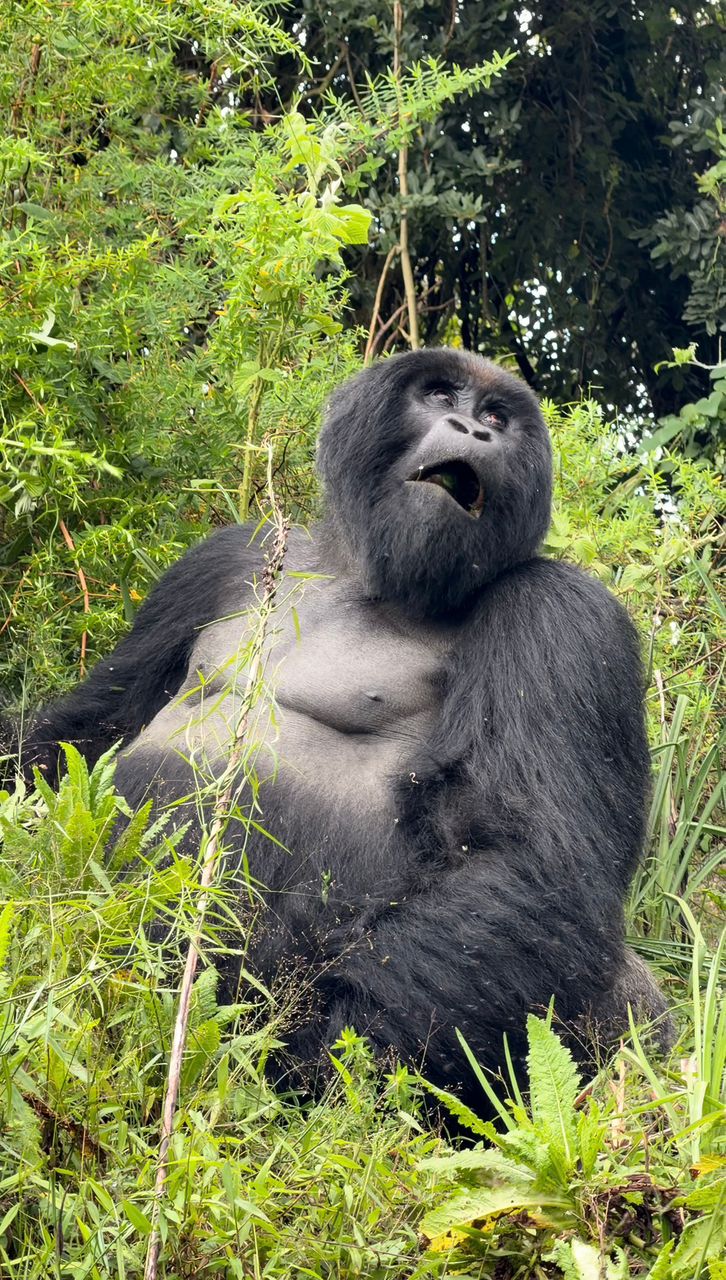
A gorilla trekking safari in Uganda or Rwanda offers a rare opportunity to observe endangered mountain gorillas in their natural habitat.
Whether you choose Bwindi Impenetrable National Park, Mgahinga Gorilla National Park, or Volcanoes National Park, preparation involves more than securing a permit and packing hiking boots.
Understanding the reasons for mask use, disclosing illness, respecting minimum-distance requirements, and following your ranger’s instructions all help reduce avoidable risks to the gorillas.
Planning a gorilla trekking safari in Uganda or Rwanda? Explore our destination guides, permit information, trekking preparation advice, and safari itineraries to choose an experience that prioritizes responsible wildlife tourism.