Who Are the Karamojong and Batwa?
Have you ever wondered who the Karamojong and Batwa are, and why travelers from around the world eager to meet them? While Uganda is famous for mountain gorillas, the big five and breathtaking landscapes, it’s the greatest treasure is its people. The Karamojong and Batwa are among the country’s oldest and most fascinating indigenous communities. Their unique cultures offer unforgettable experiences that go far beyond traditional sightseeing.
As you explorer these remarkable communities, you will discover traditions that have survived for centuries despite the rapid pace of modernization. From the vast plains of the Karamojong to the ancient southwestern Uganda, each destination tells a different cultural story. Every song, dance, craft and ceremony reflects generations of knowledge and resilience. Consequently every visit becomes an opportunity to experience Uganda through the eyes of its indigenous people.
If you are searching for authentic Uganda cultural tours, meeting the Karamojong and Batwa should be at the top of your travel list. A genuine Batwa cultural experience reveals the fascinating lifestyle of Uganda's original forest dwellers. Likewise, Karamojong cultural tours introduce you to one of East Africa's most resilient pastoral communities. Together, these experiences showcase the incredible diversity of Uganda indigenous tribes while creating memories that last a lifetime.
In this guide, you will discover who the Karamojong and Batwa are, where they live, and what makes their cultures truly extraordinary. You will also learn how responsible cultural tourism helps preserve their traditions for future generations. And also, you will find practical reasons to include these experiences in your next Uganda safari. By the end of this article, you will understand why exploring Uganda's indigenous communities is just as rewarding as witnessing its world-famous wildlife.
Who Are the Karamojong?
The Karamojong are a semi-nomadic pastoral community living in the Karamoja sub-region of northeastern Uganda. This remote region borders Kenya and South Sudan and is known for its vast plains, rugged mountains, and unique cultural traditions. For centuries, cattle have formed the foundation of Karamojong life, representing wealth, social status, and family pride.
Unlike many modern communities, the Karamojong have maintained much of their traditional way of life. Their customs, ceremonies, and strong community bonds continue to define their identity despite increasing modernization.
Today, visitors travel to Karamoja not only for its dramatic scenery but also to experience one of East Africa's most authentic cultural encounters.
The History of the Karamojong
The Karamojong are believed to have migrated southwards from Ethiopia many centuries ago before settling in northeastern Uganda. Over time, they developed a pastoral lifestyle perfectly suited to the semi-arid climate of Karamoja.
Because rainfall is often unpredictable, the community traditionally moves with livestock in search of fresh grazing land and water. Consequently, resilience, cooperation, and adaptability became central values within Karamojong society.
Although modern education and infrastructure continue expanding across the region, many families still preserve customs that have been passed down through countless generations.
Karamojong Culture and Traditions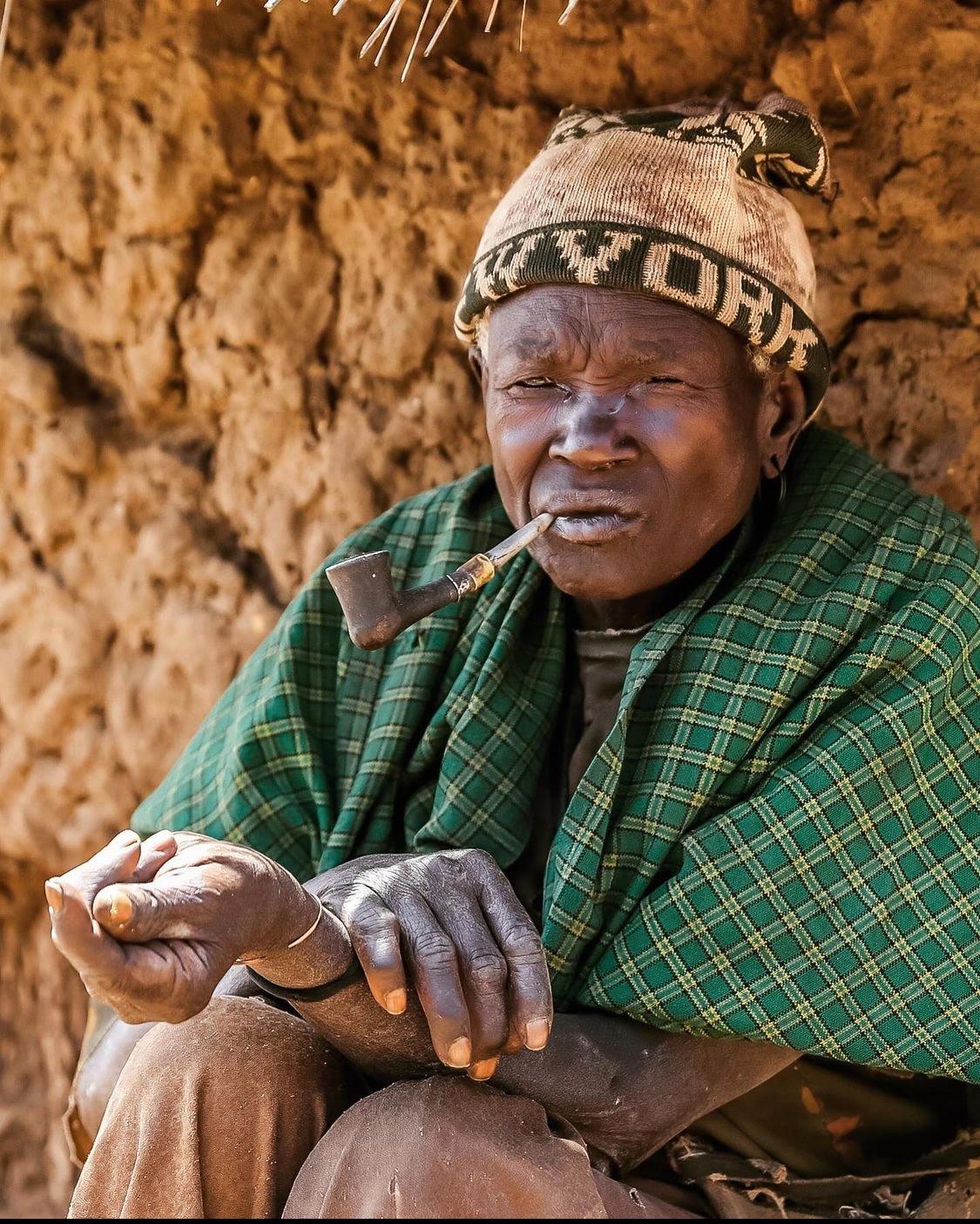
One of the most captivating aspects of the Karamojong is their vibrant culture. Their traditional clothing consists of brightly colored wraps known as shukas, often complemented by handmade bead necklaces, bracelets, earrings, and decorative belts.
Equally impressive are their energetic dances and songs, which celebrate important milestones including marriages, harvests, community gatherings, and successful cattle herding seasons. These performances feature rhythmic jumping, chanting, and synchronized movements that reflect the community's unity and pride.
Family structures remain highly respected, with elders playing an essential role in guiding community decisions, resolving conflicts, and preserving cultural values.
The Role of Cattle in Karamojong Life
Cattle are far more than livestock among the Karamojong. They represent economic security, cultural identity, and spiritual significance.
Families depend on cattle for milk, meat, dowries during marriage negotiations, and social prestige. Traditionally, a person's wealth has often been measured by the number of cattle they own.
Furthermore, many ceremonies, celebrations, and traditional rituals revolve around livestock, making cattle central to nearly every aspect of Karamojong life.
Visiting the Karamojong
Travelers exploring Karamoja enjoy far more than cultural performances. Many guided cultural tours allow visitors to enter traditional homesteads called manyattas, where families share stories about their daily lives, cooking methods, livestock keeping, and traditional crafts.
Visitors can also purchase beautifully handcrafted jewelry, baskets, wooden carvings, and woven products directly from local artisans. In doing so, tourism creates meaningful income while helping preserve traditional skills for future generations.
Importantly, respectful cultural tourism strengthens local communities and encourages the protection of Uganda's diverse cultural heritage and pearl nature holidays is one of the local Destination Management Company that has positively impacted the lives of these indigenous groups.
Who Are the Batwa?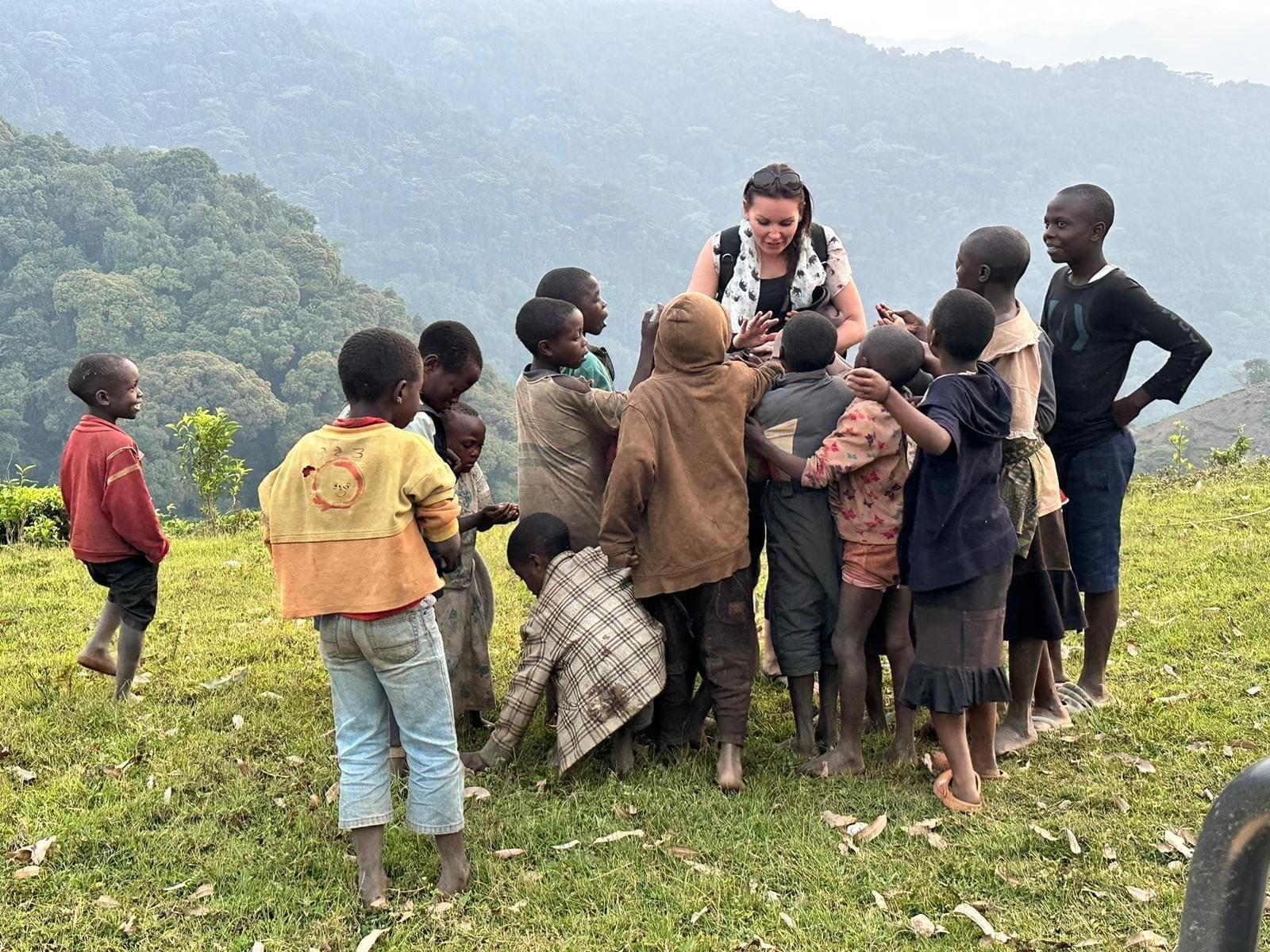
The Batwa are one of Africa's oldest indigenous forest communities. Often referred to as the "Keepers of the Forest," they traditionally lived within the dense rainforests of southwestern Uganda, particularly around Bwindi Impenetrable National Park and Mgahinga Gorilla National Park.
For thousands of years, the Batwa survived through hunting, gathering wild fruits, collecting honey, and using medicinal plants found within the forest. Their intimate understanding of nature allowed them to live sustainably without destroying their environment.
Today, although many Batwa no longer live inside the forests, they continue preserving their remarkable cultural traditions through storytelling, music, dance, and cultural tourism experiences.
The History of the Batwa
The Batwa are believed to be among the earliest inhabitants of Central Africa's tropical forests. Their ancestors lived harmoniously with mountain gorillas and other wildlife long before modern conservation efforts began.
However, during the early 1990s, Uganda established Bwindi and Mgahinga as protected national parks to conserve endangered mountain gorillas. As a result, the Batwa were relocated outside these forests and lost access to their traditional homeland.
Despite these significant changes, many Batwa communities have remained determined to preserve their cultural identity and pass their knowledge to younger generations.
Batwa Culture and Traditions
Batwa culture revolves around storytelling, music, dance, hunting skills, and traditional herbal medicine. During cultural visits, elders often demonstrate how they once made fire using sticks, hunted with bows and arrows, harvested wild honey, and identified medicinal plants.
Their songs and dances remain deeply connected to the forest, celebrating nature, community, and ancestral traditions.
Additionally, visitors can learn how the Batwa constructed temporary forest shelters using natural materials while surviving entirely from forest resources.
The Batwa Experience
One of the most rewarding cultural activities in southwestern Uganda is the Batwa Cultural Experience. During this guided excursion, Batwa guides lead visitors through sections of the forest while sharing stories of their former way of life.
Guests witness traditional hunting demonstrations, music performances, dance ceremonies, medicinal plant identification, and ancient survival techniques.
More importantly, participating in these experiences directly supports Batwa communities through employment, education, healthcare initiatives, and cultural preservation projects.
How Are the Karamojong and Batwa Different?
Although both communities represent Uganda's rich indigenous heritage, their lifestyles differ significantly.
The Karamojong have traditionally depended on cattle herding across open grasslands, while the Batwa relied on hunting and gathering within dense tropical forests. Similarly, their cultural practices, clothing, housing styles, and traditional livelihoods reflect the environments they have called home for generations.
Nevertheless, both communities share deep respect for family, tradition, elders, and cultural identity.
Why Should You Visit These Communities?
Experiencing Uganda's indigenous cultures adds extraordinary depth to any safari itinerary. Beyond seeing wildlife, visitors gain meaningful insights into the country's history, resilience, and cultural diversity.
A visit to the Karamojong introduces you to one of East Africa's most vibrant pastoral societies. Meanwhile, spending time with the Batwa offers a rare opportunity to understand one of Africa's oldest forest cultures through the voices of the people themselves.
Most importantly, responsible cultural tourism helps preserve endangered traditions while creating sustainable livelihoods for local families.
Tips for Respectful Cultural Visits
When visiting either community, approach every experience with curiosity, humility, and respect. Always ask permission before taking photographs, dress modestly, listen carefully to local guides, and purchase handmade crafts whenever possible as a way of supporting these communities.
Choosing ethical tour operators that work directly with local communities ensures your visit contributes positively to cultural preservation and community development.
The Karamojong and Batwa are much more than tourist attractions they are living custodians of Uganda's extraordinary cultural heritage. While the Karamojong proudly maintain centuries-old pastoral traditions across the plains of Karamoja, the Batwa continue sharing their remarkable forest knowledge despite the challenges of displacement.
Whether you are planning a wildlife safari, gorilla trekking adventure, or cultural tour, meeting these indigenous communities will deepen your understanding of Uganda beyond its famous landscapes. Their stories, traditions, resilience, and warm hospitality remind every traveler that the true beauty of Uganda lies not only in its wildlife but also in its people.
Feel free to send in a quick inquiry at info@pearlnatureholidays.com or +256788506702
Related Blogs

Explore the best of East Africa with Pearl Nature Holidays. Discover unforgettable safaris, mountain gorillas, the Big Five, and breathtaking landscapes across Uganda, Rwanda, Kenya, and Tanzania.
CONTACT INFORMATION
© 2026 Pearl Nature Holidays - Brand By Robylinks Solutions