Ultimate Guide to Gorilla Safaris in Africa
Gorilla Safaris in Africa; Seeing mountain gorillas in the wild is one of the most moving wildlife experiences on earth. It is also one of the most carefully managed. Permits are limited, prices are high, treks can be physically demanding and the choice between countries can be confusing. This page explains where to see gorillas in Africa, how the countries compare, what it costs, when to go, how fit you need to be and how to plan a trip that suits you.
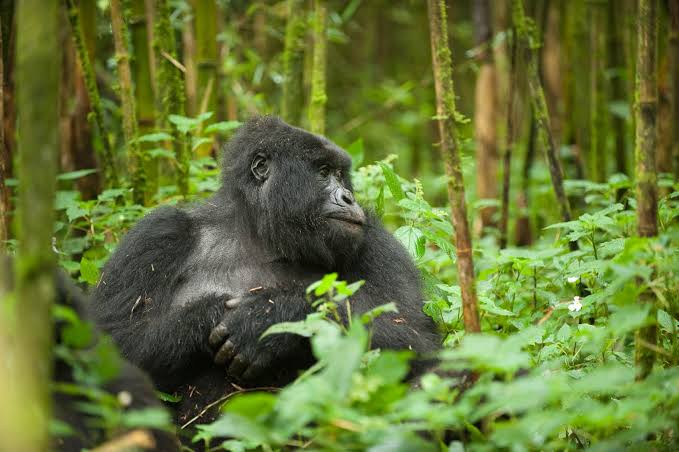
The gorilla encounter is intimate and unpredictable, and every hour with a gorilla family is different. Your permit fees also fund conservation and support local communities, which has helped mountain gorilla numbers rise from a few hundred in the 1980s to more than 1,000 today.
A Gorilla Safari Suits You If You
- Value a once-in-a-lifetime wildlife encounter
- Are reasonably fit and comfortable walking on uneven terrain
- Are at least 15 years old
- Can budget for permits and travel to remote areas
- Accept that trekking conditions can be wet, muddy and steep
Types of Gorillas and Where They Live
Africa has two species of gorilla, each with two subspecies.
| Gorilla | Where to See Them | Population (approx.) | Trekking Experience |
| Mountain gorilla | Uganda, Rwanda, DRC | Just over 1,000 | Most popular, well-established |
| Eastern lowland (Grauer’s) gorilla | Kahuzi-Biega NP, DRC | A few thousand | Less visited, security concerns |
| Western lowland gorilla | Republic of Congo, Gabon, Central African Republic | Largest population | Remote, specialised trips |
| Cross River gorilla | Nigeria, Cameroon | A few hundred | Not generally visited |
Where to Go Gorilla Trekking: Uganda vs Rwanda vs DRC
Uganda
Uganda has around half of the world’s mountain gorillas, in Bwindi Impenetrable National Park and Mgahinga Gorilla National Park.
- Permit: US$800 for foreign non-residents, with US$600 in April, May and November.
- Habituation experience: US$1,500 for up to four hours with a semi-habituated family in Bwindi.
- Trekking: Bwindi’s terrain is steep and dense, and treks range from one to six hours or more.
- Access: About 8 to 10 hours by road from Entebbe or Kampala, or a short flight to Kihihi or Kisoro. Many travellers fly into Kigali and drive about four to five hours to southern Bwindi.
 Combine with: Chimpanzees in Kibale, game drives in Queen Elizabeth, Lake Bunyonyi.
Rwanda
Rwanda’s gorillas live in Volcanoes National Park, on the slopes of the Virunga volcanoes.
- Permit: US$1,500 per person. A discounted rate has been offered in the low season for visitors who also visit Akagera or Nyungwe.
- Trekking: Treks are often shorter and the terrain is more open bamboo and volcanic slopes, although some groups live high on the mountains.
- Access: About 2.5 hours by road from Kigali International Airport.
- Combine with: Golden monkeys, Dian Fossey’s grave, Nyungwe chimpanzees, Akagera’s Big Five, Lake Kivu.
Democratic Republic of Congo
Best for: Experienced travellers only when security conditions allow and the park is open to visitors.
| Factor | Uganda | Rwanda | DRC |
| Permit cost | US$800 (US$600 low season) | US$1,500 | About US$400 when open |
| Distance from main airport | Long drive or short flight | About 2.5 hours from Kigali | Via Goma or Rwanda |
| Trekking difficulty | Moderate to strenuous | Moderate | Moderate |
| Habituation experience | Yes (Bwindi) | No | No |
| Other primates | Chimps, golden monkeys | Golden monkeys, chimps in Nyungwe | Lowland gorillas in Kahuzi-Biega |
| Savannah safari | Queen Elizabeth, Murchison | Akagera | Limited |
| Security | Generally safe on safari circuit | Very safe | Check current advice |
| Best for | Value, variety | Convenience, short trips | Experienced travellers |
What Happens on a Gorilla Trek
The Briefing
Treks begin early, usually around 7:00 to 8:00 a.m., with a briefing at the park headquarters. Rangers explain the rules, introduce the gorilla families and assign visitors to groups of up to eight people. Groups are often matched to fitness levels where possible, so mention any limitations.
The Hike
Advance trackers set out early to locate the gorillas from where they nested the previous night. Your group follows the guide along forest trails, sometimes through thick vegetation where the path is cut by machete. The trek can take from under an hour to six hours or more each way, depending on where the gorillas have moved.
The Encounter
When you reach the family, you leave bags and walking sticks with the porters and approach with your camera. You spend one hour watching the gorillas feed, play, groom and rest. Silverbacks may beat their chests, youngsters may come closer and the forest fills with the sounds of grunts and breaking branches.
The Return
After the hour, you walk back to the trailhead, often with a certificate presented at the end.
Gorilla Trekking Rules
- Minimum age: 15 years.
- Group size: Maximum of eight visitors per gorilla family per day.
- Time with gorillas: One hour.
- Distance: Keep at least seven metres from the gorillas, although gorillas may approach closer.
- Health: Do not trek if you are ill. Gorillas can catch human diseases.
- Masks: Face masks may be required near the gorillas.
- Behaviour: Keep voices low, avoid sudden movements and do not eat near the gorillas.
- Photography: No flash photography.
- Toilet: If needed, ask the guide, who will dig a hole away from the trail.
When Is the Best Time for a Gorilla Safari?
Gorilla trekking happens year-round. The main dry seasons offer easier trekking, while the wet seasons bring lusher forests, fewer visitors and sometimes lower prices.
| Season | Months | Trekking Conditions | Notes |
| Long dry season | June to September | Drier, easier trails | Most popular, book early |
| Short rains | October to November | Wetter, muddier | Uganda low-season permit in November |
| Short dry season | December to February | Generally good | Busy over the festive season |
| Long rains | March to May | Wet, slippery | Uganda low-season permits in April and May |
How Much Does a Gorilla Safari Cost?
The total cost depends on the country, number of permits, accommodation, transport and trip length.
| Trip Type | Duration | Approximate Cost per Person (Including Permit) |
| Rwanda short gorilla trip, mid-range | 3 days | US$2,500 to US$3,500 |
| Rwanda gorilla trip, luxury | 3 to 4 days | US$5,000 to US$10,000 or more |
| Uganda gorilla trip via Kigali, mid-range | 3 to 4 days | US$1,800 to US$2,800 |
| Uganda gorilla and wildlife safari, mid-range | 7 to 10 days | US$3,500 to US$5,500 |
| Combined Uganda and Rwanda | 8 to 12 days | US$5,000 to US$9,000 or more |
These figures are guides only. Prices vary with season, group size and lodge choices.
Accommodation for Gorilla Safaris
Lodges near the gorilla parks range from simple guesthouses to some of the finest lodges in Africa.
| Style | Uganda (Bwindi, Mgahinga) | Rwanda (Volcanoes) |
| Budget | Community guesthouses, simple lodges | Guesthouses in Musanze |
| Mid-range | Comfortable lodges near trailheads | Mid-range lodges near Kinigi |
| Luxury | Exclusive forest lodges | Some of Africa’s most luxurious lodges |
Fitness and Preparation
How Fit Do You Need to Be?
Most people with moderate fitness can complete a gorilla trek. Treks can involve steep climbs, muddy slopes, stinging nettles and altitude between 2,000 and 3,000 metres. Regular walking, hiking and stair climbing in the months before your trip will help.
Porters
Hiring a porter is strongly recommended. Porters carry your daypack, help you on steep sections and earn valuable income for their families. Many are former poachers or relatives of community members.
Sedan Chairs
For travellers with limited mobility, some parks offer sedan chair carriers at an additional cost. Arrange this in advance.
What to Pack
- Waterproof hiking boots with good grip
- Rain jacket and waterproof trousers
- Long-sleeved shirt and long trousers
- Gardening gloves for gripping vegetation
- Gaiters or long socks to tuck trousers into
- Daypack with rain cover
- At least two litres of water and snacks
- Camera with spare batteries, no flash
- Insect repellent and sunscreen
- Face mask
Beyond Mountain Gorillas: Lowland Gorilla Safaris
For experienced travellers seeking something different, western lowland gorillas can be seen in Odzala-Kokoua National Park in the Republic of Congo and in Dzanga-Sangha in the Central African Republic. These trips are remote, expensive and logistically complex, often combining gorillas with forest elephants, bais (forest clearings) and river journeys. Eastern lowland gorillas can be seen in Kahuzi-Biega in the DRC when security allows.
Combining Gorillas with a Wider Safari
| Combination | Duration | Highlights |
| Rwanda gorillas and Akagera | 5 to 6 days | Gorillas plus Big Five |
| Uganda gorillas and chimps | 7 days | Bwindi, Kibale, Queen Elizabeth |
| Rwanda gorillas and Kenya’s Masai Mara | 8 to 10 days | Gorillas plus classic savannah |
| Uganda gorillas and Tanzania’s Serengeti | 10 to 12 days | Gorillas plus the Great Migration |
| Rwanda gorillas and Zanzibar | 7 to 10 days | Gorillas plus beach |
Frequently Asked Questions
Where is the best place to see gorillas in Africa?
Uganda and Rwanda offer the most accessible and well-managed mountain gorilla trekking.
How much does a gorilla permit cost?
US$800 in Uganda (US$600 in low-season months) and US$1,500 in Rwanda.
How long do you spend with the gorillas?
One hour, or up to four hours on the habituation experience in Uganda.
Is gorilla trekking safe?
Yes. Habituated gorillas are used to people, and treks are led by experienced rangers.
How difficult is gorilla trekking?
It ranges from moderate to strenuous, depending on terrain and where the gorillas are.
Can I guarantee seeing gorillas?
Sightings are not guaranteed but are very likely, with success rates above 95 percent.
How far ahead should I book permits?
Six to twelve months ahead for peak season.
What is the minimum age for gorilla trekking?
15 years.
Can I trek more than once?
Yes. Many travellers book two treks for a different family and experience.
Should I choose Uganda or Rwanda?
Choose Rwanda for convenience and short trips, and Uganda for value and variety.
Should I hire a porter?
Yes. Porters carry your bag, help you on steep terrain and support local families.