Murambi Genocide Memorial, Rwanda: History, Visiting Guide and Cultural Tours
The Murambi Genocide Memorial is one of the most significant historical sites in Rwanda, keeping alive the memory of the victims of the 1994 Genocide against the Tutsi. The memorial is in Murambi Village, Nyamagabe District, in Southern Province, Rwanda, about 160 kilometers from Kigali. The drive can take 3–4 hours, depending on traffic and road conditions.
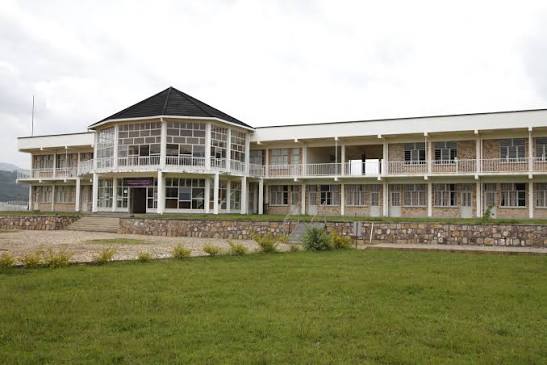
The memorial is on the grounds of a former technical school where thousands of Tutsi took refuge and were killed. Today it is a place for remembrance, historical education and reflection.
For travellers interested in Rwanda’s history, Pearl Nature Holidays can help arrange a respectful visit to Murambi as part of a Southern Rwanda cultural and historical tour.
Historical Background of Murambi Genocide Memorial
The 1994 Genocide against the Tutsi took place between April and July, when more than one million people were killed across Rwanda. Most victims were Tutsi killed by extremist forces and militias.
As violence spread, Tutsi civilians took refuge in what they thought were safe places including churches, schools and public buildings.
In April 1994, some 50,000 Tutsi gathered at the Murambi Technical School, believing they would be safe. Instead, the school became the scene of a massacre. The site remains a powerful reminder of the organised violence and the devastating consequences of the genocide.
Murambi is part of the UNESCO World Heritage property Memorial Sites of the Genocide: Nyamata, Murambi, Gisozi and Bisesero, inscribed in 2023. These sites preserve evidence of the genocide and promote remembrance, education, and a culture of peace.
What Visitors Will See at Murambi Genocide Memorial
Murambi is known for its preserved school buildings and exhibits that document the massacre. Expect an emotionally difficult experience when you visit.
The key features are:
- The old technical school: Visit the buildings where thousands of Tutsi sought refuge during the genocide.
- Preserved Classrooms: Some classrooms have preserved human remains to show the atrocities.
- Clothing and personal effects of the victims: These artifacts help visitors connect to the human stories behind the history.
- Historical exhibitions: Learn about the genocide, its impact on the local communities and the importance of remembering it.
- Cemeteries for memorials: Special places to remember the victims and reflect.
- Memorial gardens – Peaceful places for visitors to stop and pay their respects.
This memorial is no ordinary tourist attraction. Visitors are encouraged to approach the exhibits with dignity and sensitivity.
Where Is Murambi Genocide Memorial Located?
Murambi Genocide Memorial is in Nyamagabe District, Southern Province, Rwanda, near the town of Nyamagabe and within reach of Huye.
Approximate road distances include:
- Kigali to Murambi 160 km (3-4 hours) approx.
- Huye to Murambi: About 40–50 km, depending on the route.
- Travel time from Nyungwe National Park to Murambi Depends on your location in the park and the route taken.
These times and distances are estimates. The journey can be affected by road conditions, traffic and where exactly you leave from.
Opening Hours and Entrance Fees
Government guidance for visits to participating genocide memorial sites lists visiting hours of 9:00 AM to 4:00 PM.
Because published information differs, confirm the current opening hours and last-entry time before travelling.
The Rwandan government’s IremboGov application service for visiting participating genocide memorial sites is listed as free of charge. Visitors may need to apply at least two days before their planned visit, and a separate application may be required for each memorial.
This government application service should not be confused with the cost of a private tour. Transport, accommodation, and any separately arranged guiding services may incur additional charges.
Guided Tours and Historical Interpretation
A guided visit can help visitors understand the historical significance of Murambi and the experiences of people who sought refuge there.
Historical interpretation may include the events leading to the massacre, the circumstances of the gathering of civilians at the school, the evidence left at the site, and Rwanda’s ongoing efforts to remember victims and prevent genocide.
Pearl Nature Holidays can help with transport and itinerary planning, and can check on the availability of local guides or official interpretation services for visitors. Check availability of guides before hand.
To make a meaningful visit, leave yourself enough time to browse the exhibitions, listen to the historical explanations and reflect on the experience.
Murambi can be visited throughout the year, subject to opening arrangements.
April is especially significant because Rwanda’s annual Kwibuka commemoration period begins on 7 April. Visitors travelling during this period should confirm access arrangements, as commemorative events may affect visiting schedules.
The dry seasons (June–September and December–February) can make traveling by road a bit easier. But be sure to check local weather and road conditions before you go.
Responsible Visitor Guidelines
To honor the victims and to preserve the memorial:
- Dress decently, and be still and dignified.
- Follow directions from memorial staff.
- Ask permission before taking photos of sensitive areas or people.
- Do not touch preserved objects or human remains.
- Avoid disrespectful comments or behaviour.
- Allow time for reflection.
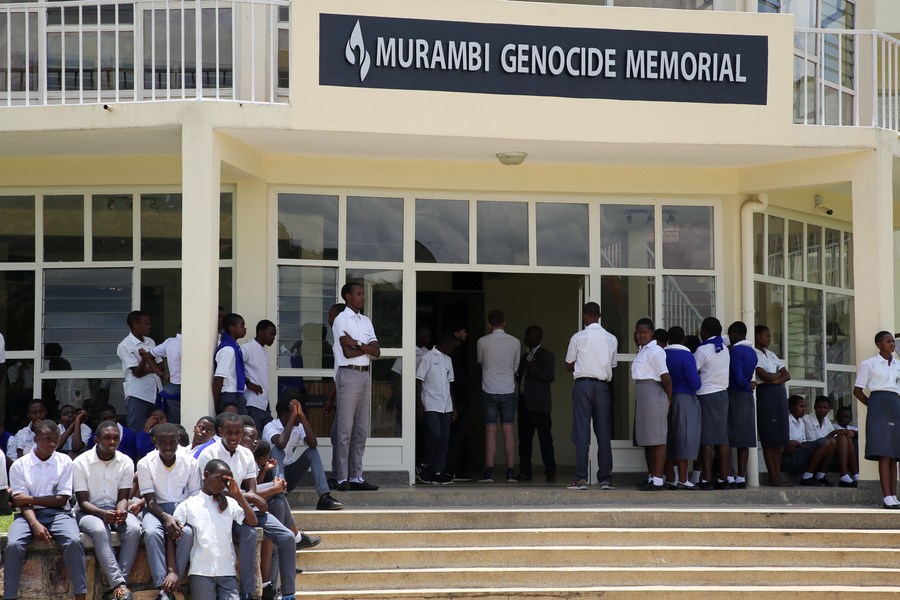
Murambi Genocide Memorial
Explore Murambi with Pearl Nature Holidays
Pearl Nature Holidays can help you arrange a historical visit to Murambi Genocide Memorial, including transport from Kigali, help with itinerary planning and advice on current visitor arrangements.
Alternatively, combine Murambi with other Southern Rwanda experiences including a visit to Huye, or a wider itinerary including Nyungwe National Park.
Contact Pearl Nature Holidays to organize a contemplative Rwanda historical tour that honors the memory of the victims and deepens your knowledge of the country’s history.